Big Block vs. Small Block, Explained
Displacement, deck height, and why the difference actually matters for your build.
Displacement, deck height, and why the difference actually matters for your build.
The terms get thrown around like everyone agrees on them. They do not. Big block and small block describe the physical size of the engine's block casting, not just displacement, and that distinction drives everything about a build.
It is one of the oldest arguments in American performance, and most versions of it are fought with bad definitions. Cubic inches are not the dividing line. Architecture is. Once you understand what actually separates the two families, the right choice for your car usually picks itself.
A big block and a small block from the same manufacturer are two different castings with different external dimensions, different deck heights, and different bore spacing. That is the whole definition. Displacement overlaps constantly, which is where the confusion comes from. Chevrolet sold a 400-cubic-inch small block and a 396-cubic-inch big block at the same time, and the 396 is the physically larger, heavier engine despite giving up four cubes on paper.
So when someone asks what the big block vs small block difference really is, the honest answer is size of the box, not size of the number. The big block's larger casting leaves room for bigger bores, longer strokes, and bigger valves. The small block's compact casting saves weight and space. Everything else people argue about flows from that one fact.
Every manufacturer had its own version of the split. Ford's small blocks were the Windsor family, with the FE-series engines and the later 429 and 460 as the big iron. Mopar drew the line between the LA-series small blocks like the 340 and the B and RB big blocks that gave the world the 383 and the 440. Different names, same idea: two casting families, one compact and one massive, sold side by side for decades.
Taller deck height and wider bore spacing are the tells. A taller deck allows a longer stroke, wider bore centers allow bigger cylinders, and both together allow the huge valves and generous ports that let a large engine breathe. The classic examples are the Chevy 396, 427, and 454, Ford's FE-series 390 and 428 plus the later 429 and 460, and Mopar's 383 and 440. All of them are physically imposing pieces next to their small-block siblings.
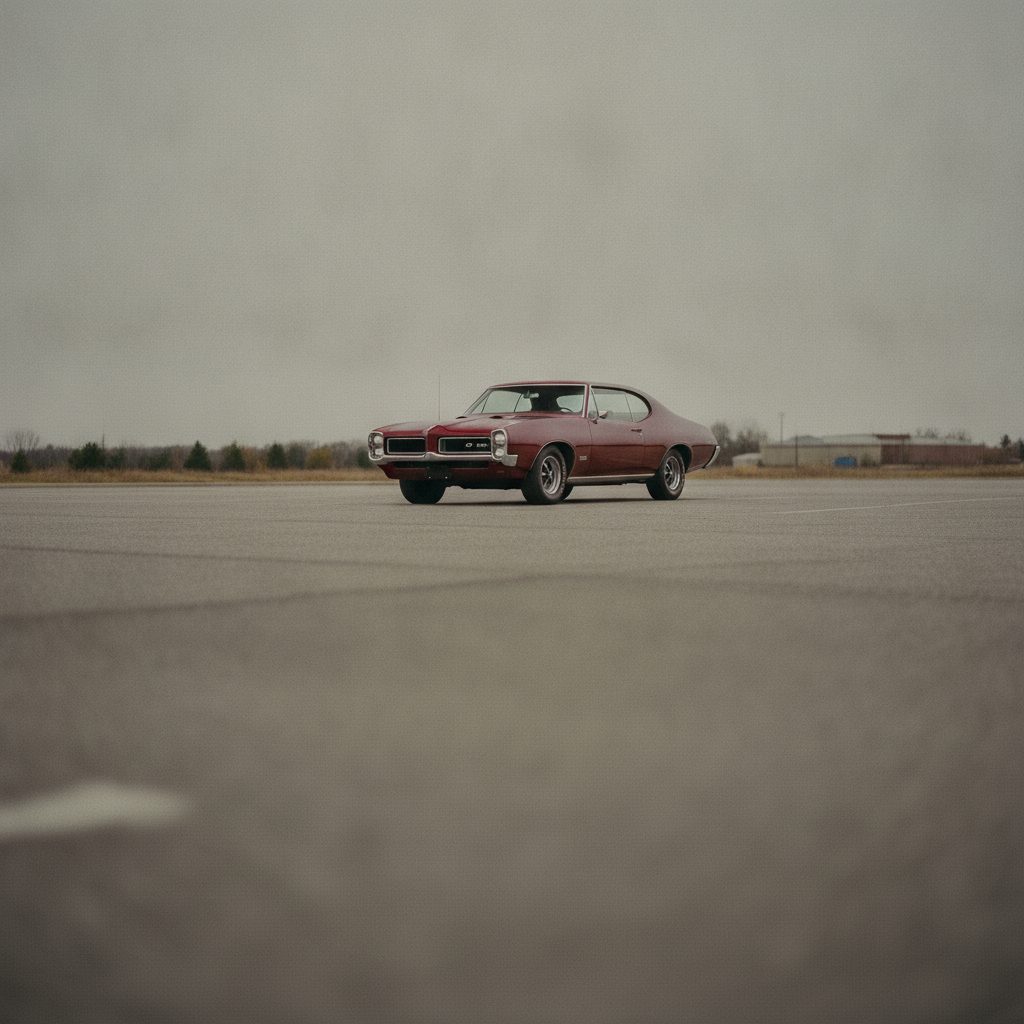
There are famous exceptions that prove the definition matters. Pontiac never really built a small block and a big block; its V8s from 326 through 455 cubic inches share one basic external block architecture. That is why arguing from displacement alone gets you laughed out of a Pontiac meet. The casting, not the cubes, decides what the engine is.
The small block is lighter, physically smaller, and cheaper to build, and it revs happier because there is simply less reciprocating mass to throw around. It fits engine bays a big block has to be shoehorned into, it keeps weight off the front tires, and its parts interchange across decades of production. The Chevy 350 became the default engine of the entire hobby for exactly these reasons.
Its modern descendant finished the argument for a lot of builders. The LS family delivers big-block-embarrassing power from a package lighter than the old iron small blocks, and the junkyard supply is endless. Our own $400 junkyard 5.3 dyno test made 512 horsepower at the wheels with a cam, springs, a tune, and an exhaust. That is why the swap world went small block and never looked back.
Big block for the torque and the theater. Small block for the weight and the revs.
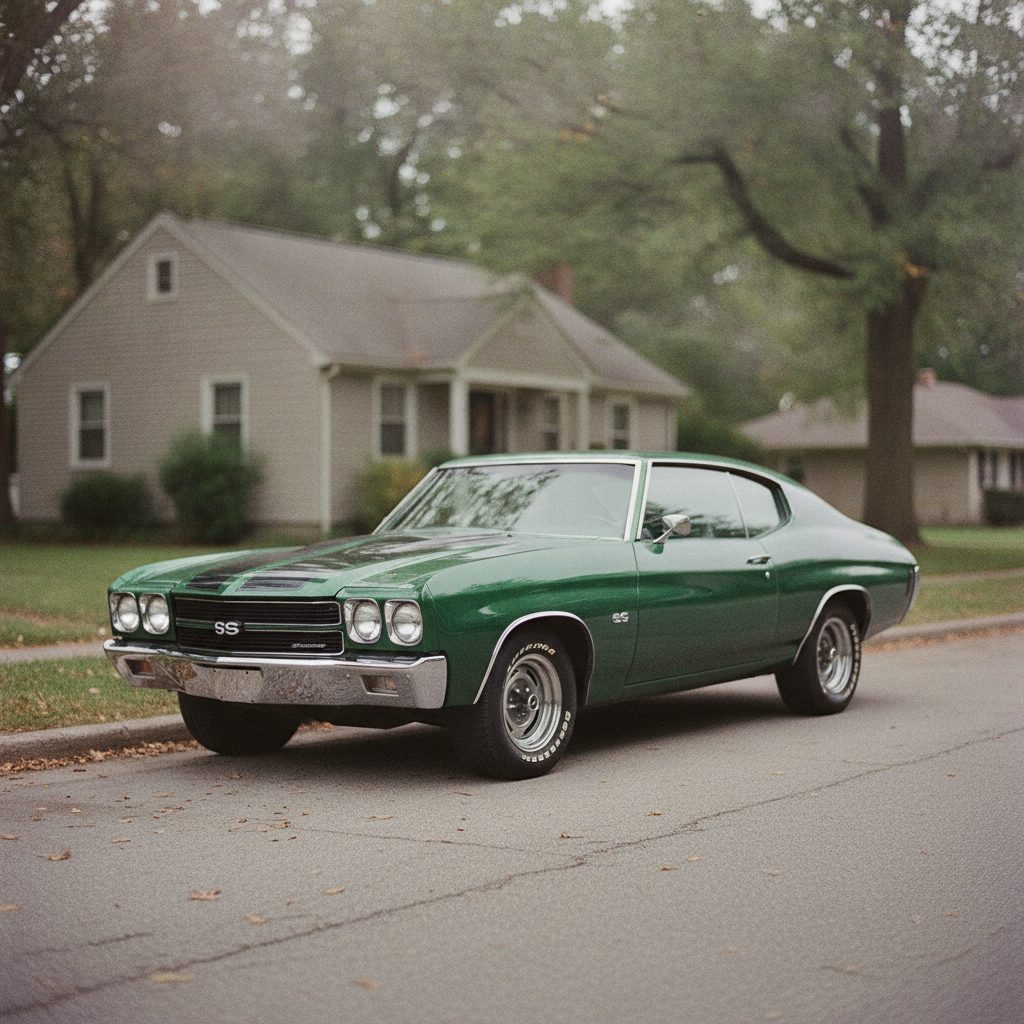
What the big block buys you is effortless torque. Big bores and long strokes make grunt right off idle, the kind of power that shoves a heavy car out of a corner without ever needing a downshift. That is why the legendary muscle-era heavyweights, cars like the LS6 454 Chevelle, carried big blocks. Moving four thousand pounds with authority is a displacement problem, and displacement is what the big casting is for.
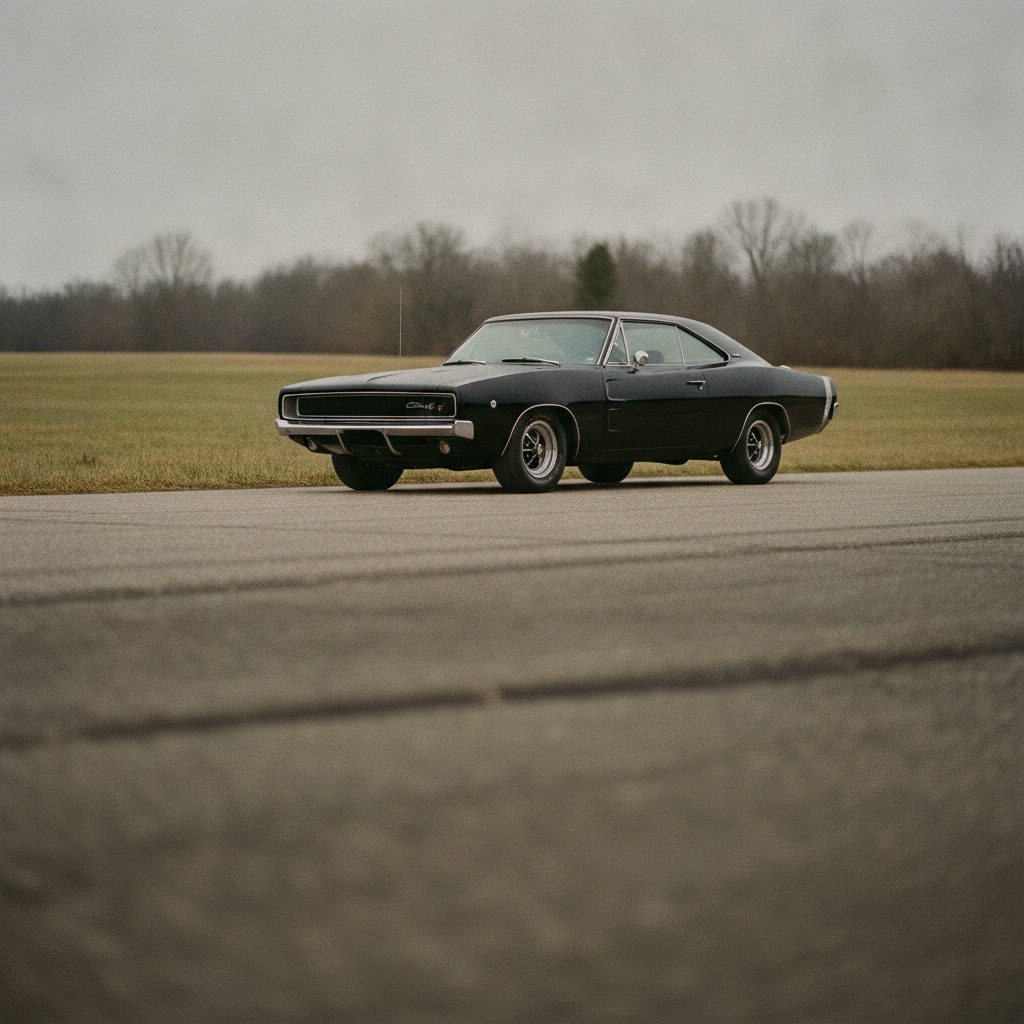
There is also the matter of theater, and it counts. A big block fills an engine bay, shakes the fenders at idle, and sounds like weather moving in. Builds like the street-built 440 Challenger we featured would lose something essential with a smaller engine, no matter what the dyno said. Period-correct muscle has a soundtrack, and the big block wrote it.
Comparing iron to iron within a brand, a big block typically carries something on the order of a hundred or more extra pounds, most of it sitting directly over the front axle. That is weight the front tires feel in every corner and the nose feels under every hard stop. Drag racers shrug at it. Road-course and canyon drivers do not.
The penalty shrinks with modern parts, since aluminum heads and intakes pull meaningful weight back off either engine. But the basic physics never fully goes away: the bigger casting is the heavier casting, and the handling difference between a big-block and small-block version of the same car is real enough to feel from the driver's seat.
Money is the quiet tiebreaker. Small-block parts are everywhere and priced accordingly, from cranks to cylinder heads, because production numbers were enormous and the aftermarket never stopped serving them. Big-block builds cost more at nearly every line item: cores are scarcer, machine work runs higher, and speed parts carry a premium. None of that is a reason to skip the big engine if the build calls for it. It is a reason to price the whole combination honestly before you commit, because the same dollars that finish a stout small block will often leave a big block half done.
If you want brute low-end torque, period-correct muscle, and an engine bay that looks like 1970 never ended, build the big block. If you want light weight, high revs, and cheap modern power, build the small block, especially the LS family. Neither answer is wrong. They are different tools for different jobs, and the mistake is pretending one tool does both.
Be honest about the car's mission before you spend a dollar. A heavy cruiser that lives on boulevards and highway pulls will use every bit of a big block's torque. A car you want to be light on its feet, cheap to feed, and easy to upgrade will be better served by a small block. Match the engine to the mission and you will never regret the choice.
The Chevy 350 is a small block, full stop. It shares the compact small-block casting architecture introduced in 1955, regardless of how it is dressed or how much power it makes. Displacement never changes the family: a 350 is a small block even when it out-powers a stock big block.
Yes. The Chevrolet 396 belongs to the Mark IV big-block family, sharing its casting architecture with the 427 and 454. It displaces less than the 400 small block, which is the classic proof that big block refers to the physical block design rather than to cubic inches.
Easily, with modern parts. Stroker kits, aftermarket heads, and the LS family all produce power that embarrasses factory big blocks, usually at less weight and lower cost. What a small block cannot fully replicate is the effortless low-RPM torque and sheer presence of a large-displacement big block.
For most street builds the small block wins on weight, cost, parts availability, and fuel appetite, which is why LS swaps dominate. Choose the big block when the car is heavy, the mission is torque and period character, and you accept the extra nose weight as part of the deal.
The muscle world, every morning. Auctions, builds, reveals. Free.