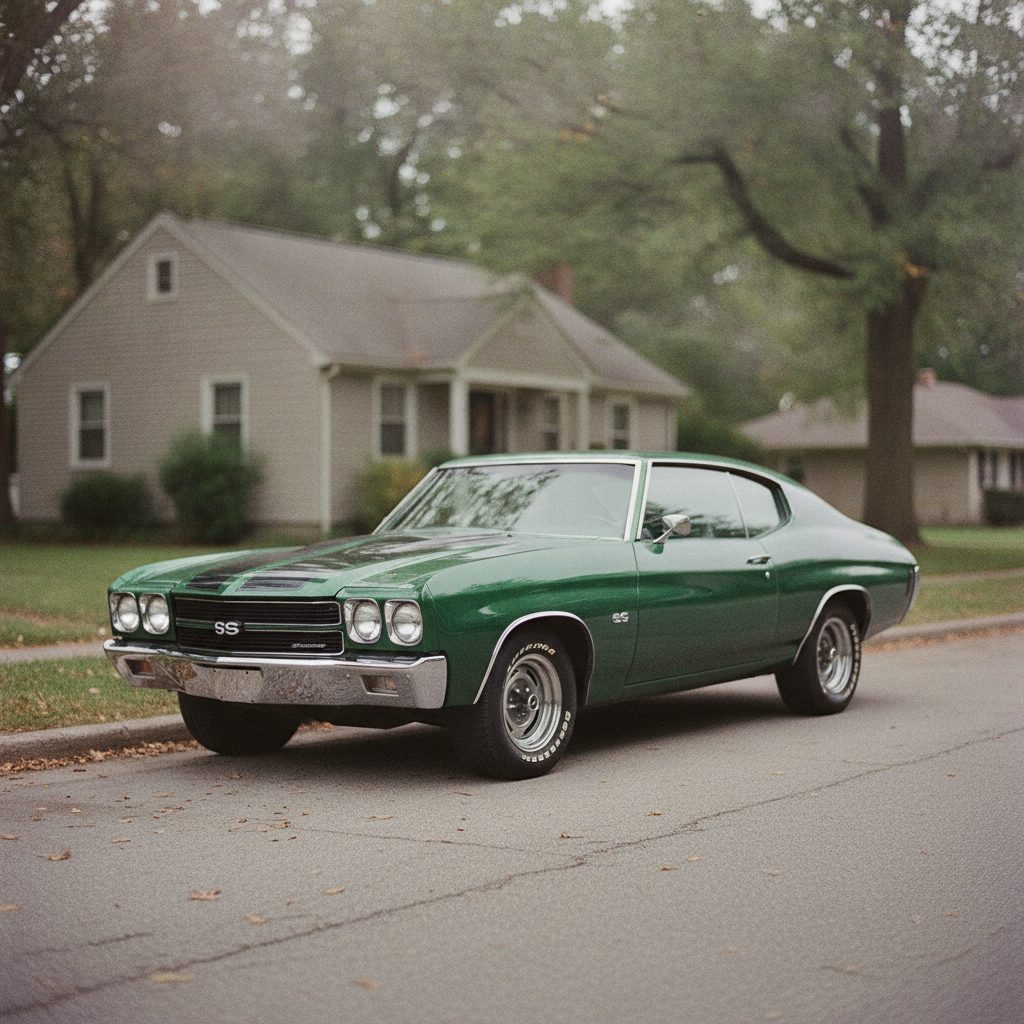
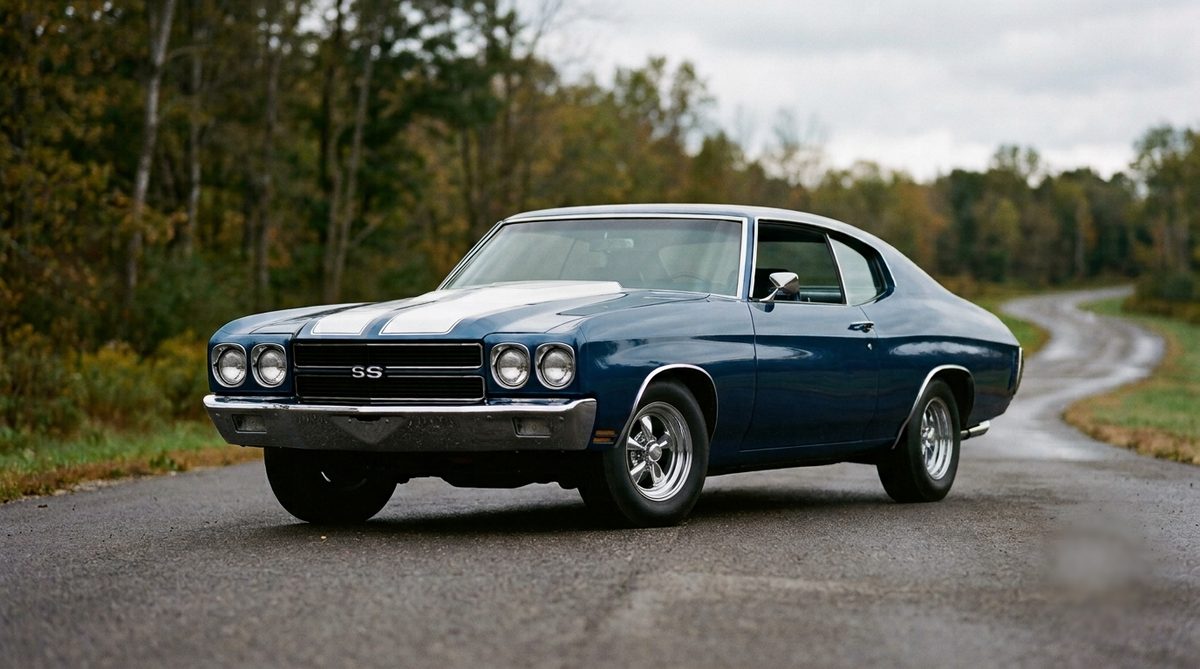
1970: The Year the Big Block Peaked
The Chevelle SS 454 LS6 arrived with 450 horsepower and factory bragging rights, and nothing that came after ever quite matched it.
The Chevelle SS 454 LS6 arrived with 450 horsepower and factory bragging rights, and nothing that came after ever quite matched it.
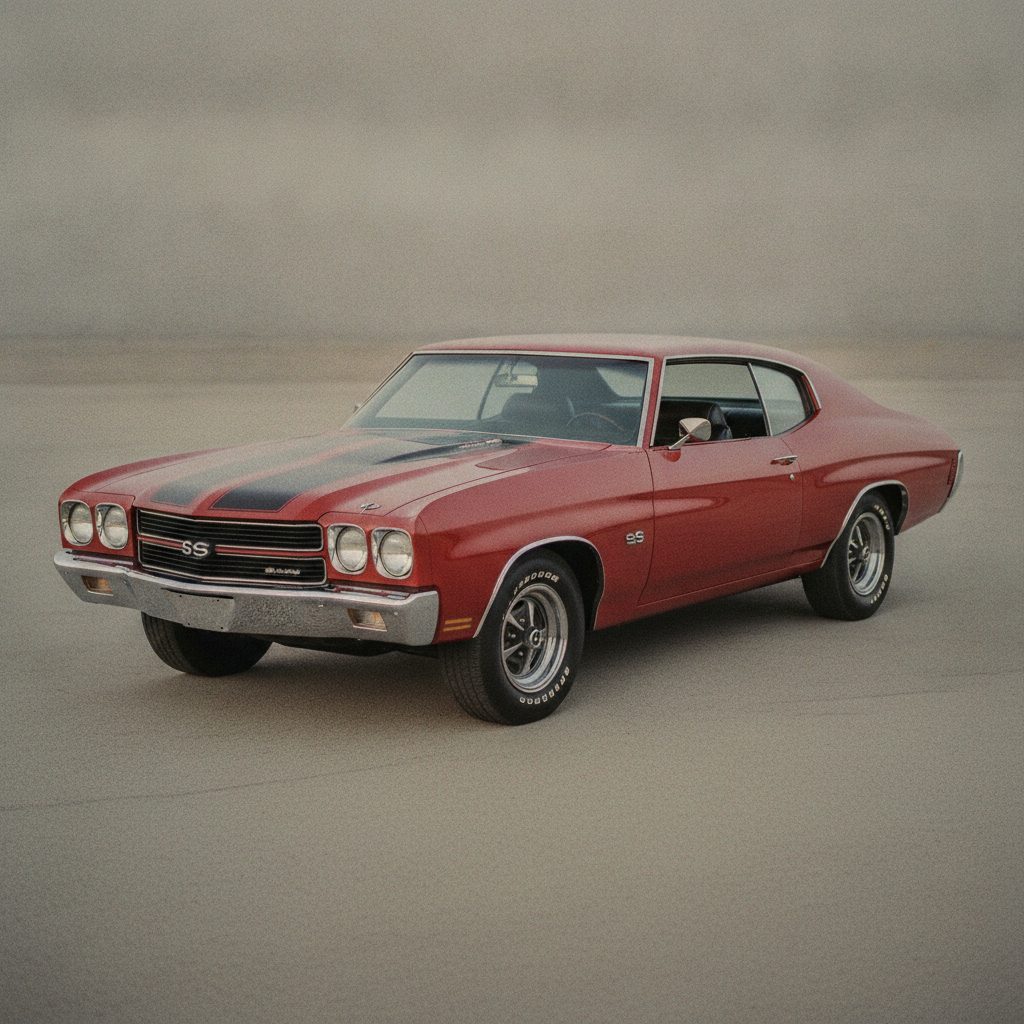
For one model year, Chevrolet stopped holding back. The 1970 Chevelle SS 454 LS6 shipped from the factory with 450 gross horsepower, a solid-lifter cam, and a compression ratio that read like a race motor. It was the loudest thing the division had ever put a warranty on, and everybody in Detroit knew the ceiling had just moved.
The reason it happened in 1970 and not sooner comes down to a rule. General Motors had a corporate policy that capped engines in its intermediate cars at 400 cubic inches. Buick, Oldsmobile, Pontiac, and Chevrolet all had bigger motors on the shelf, but the mid-size bodies were fenced off. When GM finally lifted that limit for 1970, the floodgates opened all at once, and the Chevelle got the biggest, meanest version of the deal.
It was not alone. The same policy change gave Buick the 455 in the GSX Stage 1 and let Oldsmobile put its 455 in the 442 as standard equipment. Every division swung for the fences in the same season, which is exactly why 1970 reads like the crescendo of the whole muscle era. Chevrolet's swing was the hardest: a 454 cubic inch big-block in a mid-size body, offered to anyone who could sign a loan.
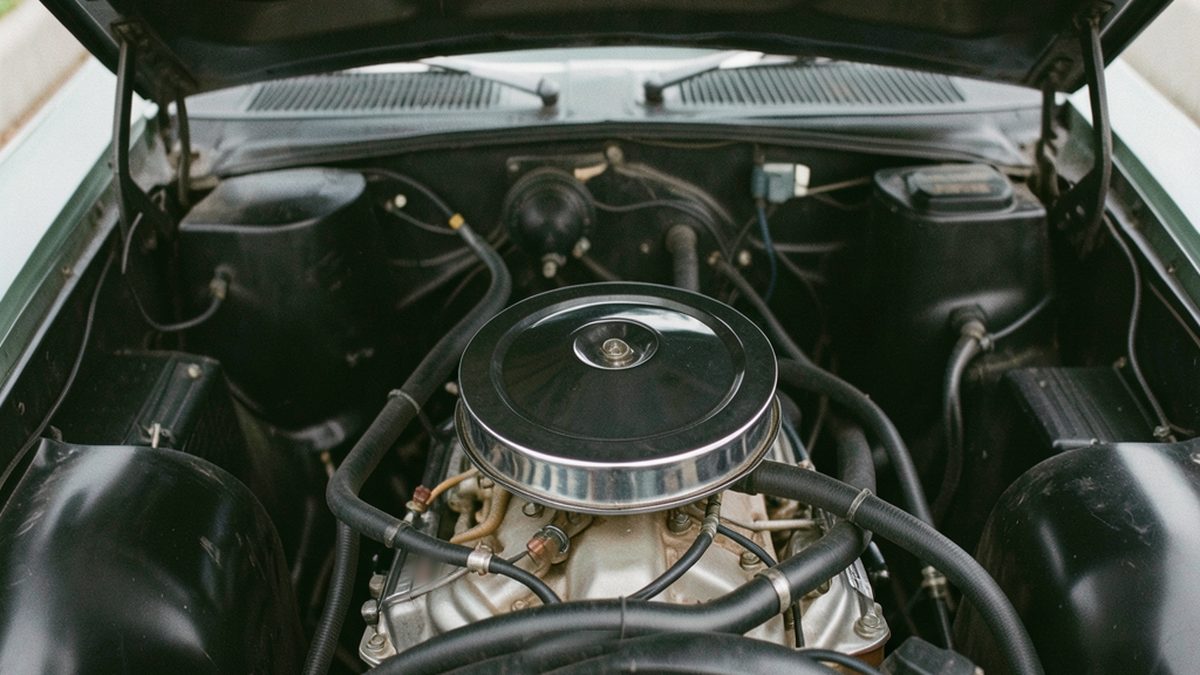
LS6 was the order code, and it was not the mild one. The LS6 454 used 11.25 to 1 compression, a lumpy solid-lifter camshaft, a big Holley four-barrel on an aluminum intake, rectangular-port heads, and forged, stronger internals to hold it all together. The published rating was 450 gross horsepower and 500 pound-feet of torque, and unlike a lot of factory figures from that era, most people who drove one felt like it was honest. Some argued it was still conservative.
Buyers backed it with serious hardware. The order sheet offered the M22 Rock Crusher four-speed for drivers and the heavy-duty Turbo 400 automatic for everyone else, feeding a 12-bolt rear. This was not a decal package. It was the closest thing to a race engine Chevrolet had ever bolted into a family-size body and sold with a warranty, and the whole industry understood the statement it was making.
The base big-block Chevelle carried the LS5 454, a strong and streetable engine rated at 360 horsepower, with hydraulic lifters and manners you could live with in traffic. The LS6 was a different animal: higher compression, the solid-lifter cam, the bigger carburetor, and internals meant for sustained abuse. On paper the two cars looked nearly identical from the curb. From the driver's seat, the LS6 idled like it was chewing on something and pulled like nothing else in the lineup.
That difference is why the distinction matters so much to collectors now. An SS 454 badge tells you almost nothing by itself, because both engines wore it. The LS6 is the legend, the LS5 is the value play, and the paperwork is the only thing that separates them decades later.
On the street it ran deep into the 13s in stock trim, and a good driver with sticky tires could see the high 12s. Those numbers came on bias-ply rubber, through a four-speed, with a full interior and a bench seat if you ordered one. Adjust for the era and the LS6 Chevelle was simply one of the quickest cars Americans could buy, and it stayed a benchmark in the big-block argument for decades afterward.
The cowl-induction hood was not just for show. The flap at the base of the windshield opened under throttle and fed the carb cold air from the high-pressure zone where the glass meets the metal. It worked, and it sounded like the car was inhaling. Between the hood, the stripes, and the exhaust note, the LS6 announced itself three ways before it ever moved.
What the numbers never captured was the character. An LS6 at idle rocked on its mounts and rattled the neighbor's windows, and the solid-lifter top end gave it a mechanical clatter that hydraulic-cam cars simply did not have. It felt like exactly what it was: a barely civilized race engine wearing street clothes. Nobody who rode in one came away neutral, which is a large part of why the legend outlived the car by half a century.
It was the loudest thing the division had ever put a warranty on, and everybody in Detroit knew the ceiling had just moved.
The window was short. For 1971, GM dropped compression across the board to run on lower-lead fuel, and horsepower ratings switched from gross to net, which made every number on every window sticker look smaller overnight. The LS6 as the Chevelle knew it was gone almost as fast as it arrived, surviving one more season only as a lower-compression Corvette option before disappearing entirely.
Insurance surcharges and tightening emissions rules did the rest, and by the middle of the decade the whole class had been throttled down. That is why 1970 still gets talked about as the high-water mark. It was the year the biggest engines, the highest compression, and the last of the loose regulations all lined up in the same showroom, and the Chevelle SS 454 was the car that carried the flag.
The LS6 sits at the top of the Chevelle market, and it has for a long time, which is exactly why buyers have to be careful. Production is commonly cited at around 4,475 LS6 Chevelles for 1970, a meaningful number when new but a small one against the enormous universe of SS clones built since. Chevelle VINs of that era did not identify the engine, so a real LS6 is proven by paperwork and part numbers, not by badges. Build sheets, original documentation, and correct date-coded components separate the genuine cars from the many tributes, and the price gap between the two is enormous.
The good news is that the knowledge base is deep. The Chevelle community has spent fifty years cataloging these cars, and a well-documented LS6 is one of the safest blue-chip buys in American muscle. As the barn-find era winds down, that documented, verified kind of car is precisely where the market has moved. The high-water mark of 1970 turned out to be a high-water mark twice: once on the street, and once in the ledger.
The 1970 Chevelle SS 454 LS6 was factory rated at 450 gross horsepower and 500 pound-feet of torque. It ran 11.25 to 1 compression with a solid-lifter camshaft and a big Holley four-barrel. Many period drivers considered the 450 figure honest, and some believed it was conservative.
Both were 454 cubic inch big-blocks offered in the 1970 Chevelle SS. The LS5 was the milder engine, rated 360 horsepower with hydraulic lifters and easy street manners. The LS6 added higher compression, a solid-lifter cam, a bigger carburetor, and stronger internals for its 450 horsepower rating.
In stock trim, period testing put the LS6 Chevelle deep into the 13-second range in the quarter mile. With sticky tires and a skilled driver, high 12s were realistic. Those times came on bias-ply rubber, which makes the performance even more impressive by modern standards.
Documented LS6 Chevelles are among the most valuable Chevelles ever built, and verified cars sit firmly in blue-chip territory. Exact prices swing with options, colors, and history, but the consistent rule is that paperwork drives value. An undocumented car trades at a steep discount to a proven one.
The muscle world, every morning. Auctions, builds, reveals. Free.