Disc Conversions Worth Doing
Stopping a muscle car is half the build. Here is how to do it right.
Stopping a muscle car is half the build. Here is how to do it right.
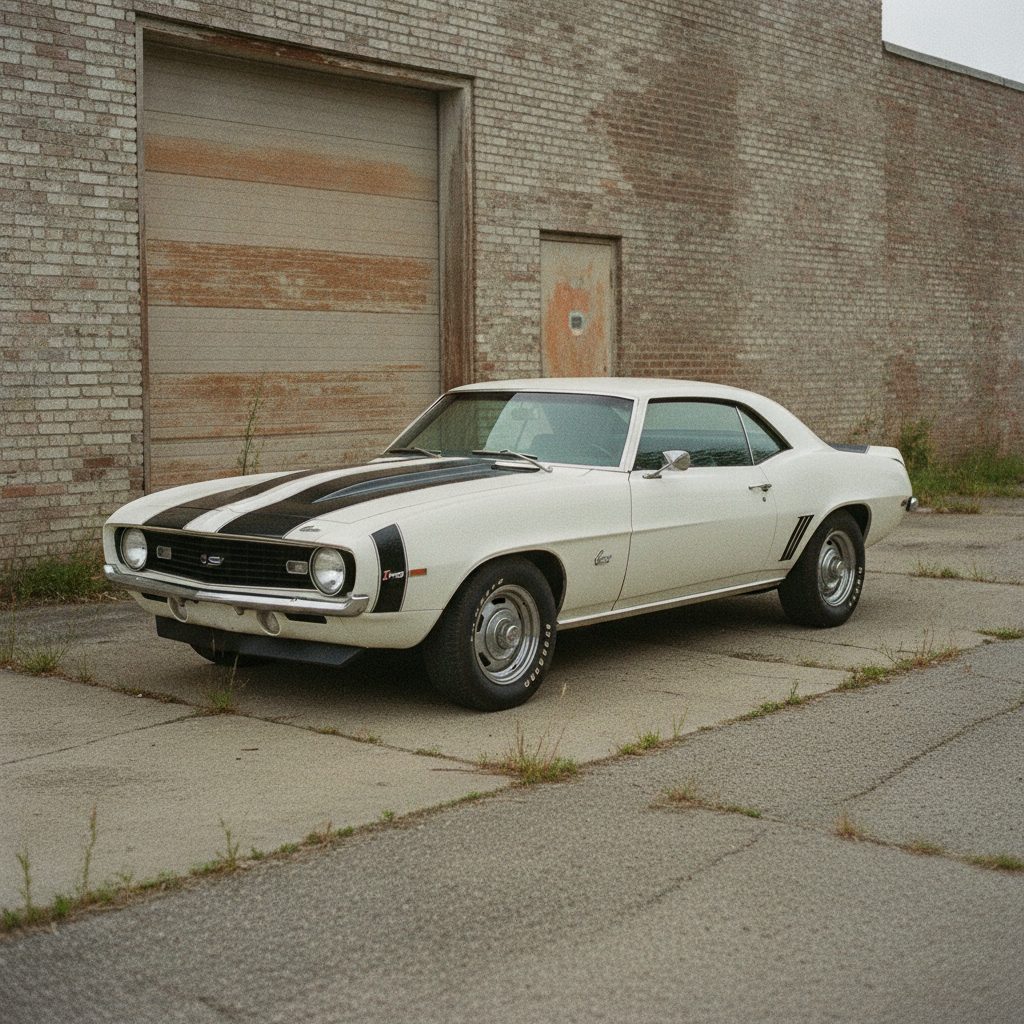
Muscle cars were built to go. Most were not built to stop. A front disc conversion is the single most important safety upgrade you can make to a classic, and it is usually a weekend job.
The horsepower gets the magazine covers, but the brakes decide whether you get to enjoy any of it. Four-wheel drums were marginal when these cars were new and traffic moved slower. Against modern SUVs with ABS and radar cruise, they are a liability you feel the first time someone stops short in front of you. Here is how to fix it properly, what it costs, and where people go wrong.
Drums have three fundamental problems. They trap their own heat, so the second hard stop is always worse than the first and the third can be genuinely frightening. They lose bite when wet, since water lingers inside the drum. And they demand regular adjustment to keep the pedal consistent. None of this is the fault of your car's condition. Perfectly restored drums do all of these things, because the design does.
Discs solve every one of those problems by architecture. The rotor sheds heat and water in open air, the caliper clamps with even, fade-resistant force, and the system self-adjusts as pads wear. This is why every modern car on earth runs discs up front. The physics settled this argument fifty years ago; the only question left is how to get the upgrade done right on your classic.
A proper front kit is a system, not a pair of rotors. Expect calipers, rotors, bearings, and hoses, plus either replacement spindles or brackets that adapt your existing ones. The good kits also include the two components that actually make the system work as intended: a master cylinder matched to disc-brake volume and a proportioning valve to balance front and rear bias.
This is also where the buying advice gets simple: skip the no-name kits. Brakes are the one system where the bargain-bin gamble can cost you the whole car, or worse. Buy a proven system from an established brake manufacturer, with real engineering behind the bias and real support on the phone, and your car will stop like something built in this century.
Wheel clearance is the other pre-purchase check. Some larger-rotor kits will not clear original fourteen-inch wheels, and reputable manufacturers publish a minimum wheel diameter for every system they sell. Verify yours before ordering, because discovering the problem on jack stands with the old brakes in a bucket is the expensive way to learn it. If you are keeping stock steel wheels, say so when you order and choose the kit accordingly.
Entry-level front conversions from reputable brands start at a few hundred dollars, and complete systems with new spindles, a master cylinder, booster, and proportioning valve climb from there into the low thousands. Compared with what most of us spend chasing horsepower, it is modest money for the single largest improvement in how the car drives and how safe it is doing it.
Think of the budget in context. A weekend cruiser that sees fair-weather miles is well served by a quality entry kit. A heavy big-block car, or anything built to be driven hard, deserves the larger-rotor systems. And at the extreme end, cars like the thousand-horsepower street Camaro we featured treat braking as a build pillar equal to the engine, because at that level it absolutely is.
Everyone loves the engine. Fund the brakes first.
The most common conversion failure has nothing to do with the calipers. It is reusing a drum-era master cylinder or skipping the proportioning valve. Drum masters are built for different fluid volumes and often carry residual pressure valves that discs do not want. The result is a car that stops worse than it did on drums, and an owner who wrongly blames the kit.
Proportioning matters just as much. Discs up front and drums out back need their bias balanced, or the rear locks early in a hard stop and the car gets sideways exactly when you need it calm. Buy the master cylinder and proportioning valve as part of the engineered system, set the bias properly, and the car will stop straight, hard, and repeatably.
Manual discs work fine and many builders prefer the firm, direct pedal, especially in light cars. A vacuum booster lowers pedal effort and suits heavier cars and drivers used to modern feel. The catch is that big camshafts make weak vacuum, so lumpy engines often need a hydroboost or electric vacuum pump to keep an assisted pedal consistent. Match the choice to the engine and the driver, not to habit.
Whichever route you choose, test the pedal in an empty parking lot before trusting it in traffic. Drivers coming off drums are always surprised by how little pedal a good disc setup needs, and the muscle memory takes a day or two to catch up. Give yourself those practice stops on purpose.
Not at first. The front brakes do the large majority of the work in any hard stop, which is why the front conversion delivers almost all of the safety gain. Front discs with well-adjusted rear drums is a completely legitimate setup that served millions of factory cars, and it is the right first move for a budget that has to be spent in stages.
Rear discs earn their cost on heavy cars, high-power builds, and anything driven aggressively, where they add fade resistance and easier maintenance. A driver-focused build like the daily-driven restomod fastback we covered justifies all four corners. A Sunday cruiser can wait. Do the front now, do the rear when the mission demands it.
The job is honest bolt-on work for anyone comfortable with jack stands and hand tools. Strip the old drum hardware, hang the new spindles or brackets, mount rotors and calipers, swap the master cylinder, plumb the proportioning valve, and bleed the system patiently until the pedal is high and hard. A careful first-timer with a helper for the bleeding really can finish in a weekend.
Two details separate a good job from a great one. First, replace the flexible hoses and any crusty hard line while you are in there; fresh fluid in fifty-year-old lines is half a job. Second, bed the new pads properly with a series of moderate stops so they seat evenly. Then go find an empty road and enjoy the strangest sensation a classic can offer: confidence at the pedal.
Quality front conversion kits from established brands start at a few hundred dollars, while complete systems with new spindles, master cylinder, booster, and proportioning valve run into the low thousands. Professional installation adds labor, but many owners do the work themselves in a weekend with hand tools.
Yes. A front conversion is bolt-on work within reach of any owner comfortable with jack stands, basic hand tools, and careful brake bleeding. Plan a full weekend, work one side at a time so you have a reference, and have a helper for bleeding. No welding or fabrication is required.
Almost always, yes. Drum-brake master cylinders are designed for different fluid volumes and often include residual pressure valves that disc calipers do not want. Using the correct disc-compatible master cylinder, along with a proportioning valve to set brake bias, is essential to getting the performance the kit promises.
They are worth it on heavy, powerful, or hard-driven cars, where they resist fade and simplify maintenance. For most classics, front discs paired with properly adjusted rear drums deliver nearly all of the real-world safety improvement, since the front brakes handle most of the stopping force anyway.
The muscle world, every morning. Auctions, builds, reveals. Free.