We Dyno'd a $400 Junkyard 5.3
A truck engine, a stack of cheap parts, and a weekend. The numbers came out better than anyone at the shop guessed.
A truck engine, a stack of cheap parts, and a weekend. The numbers came out better than anyone at the shop guessed.
The 5.3-liter LS is the best-kept secret in cheap horsepower. Pulled from a million trucks and SUVs, it turns up in junkyards for a few hundred dollars, and it responds to modern parts like almost nothing else at the price.
Our test engine cost four hundred dollars. A cam, a set of valve springs, a tune, and a good exhaust later, it made 512 horsepower to the wheels on the dyno. That is real, repeatable, budget power, and it is the reason the LS swap became the default answer for almost every project car in America. This is the full story of how the numbers happened, and how you can repeat them without guessing.
GM built the 5.3 in staggering numbers. It powered Silverados, Sierras, Tahoes, Suburbans, and vans for more than two decades, which means the supply side of this market is effectively bottomless. Every full-size truck that gets totaled, rusted out, or traded in feeds another engine into the salvage system, and prices stay low because the yards can barely move them fast enough. Scarcity drives the price of everything else in this hobby. The 5.3 is the rare part with no scarcity at all.
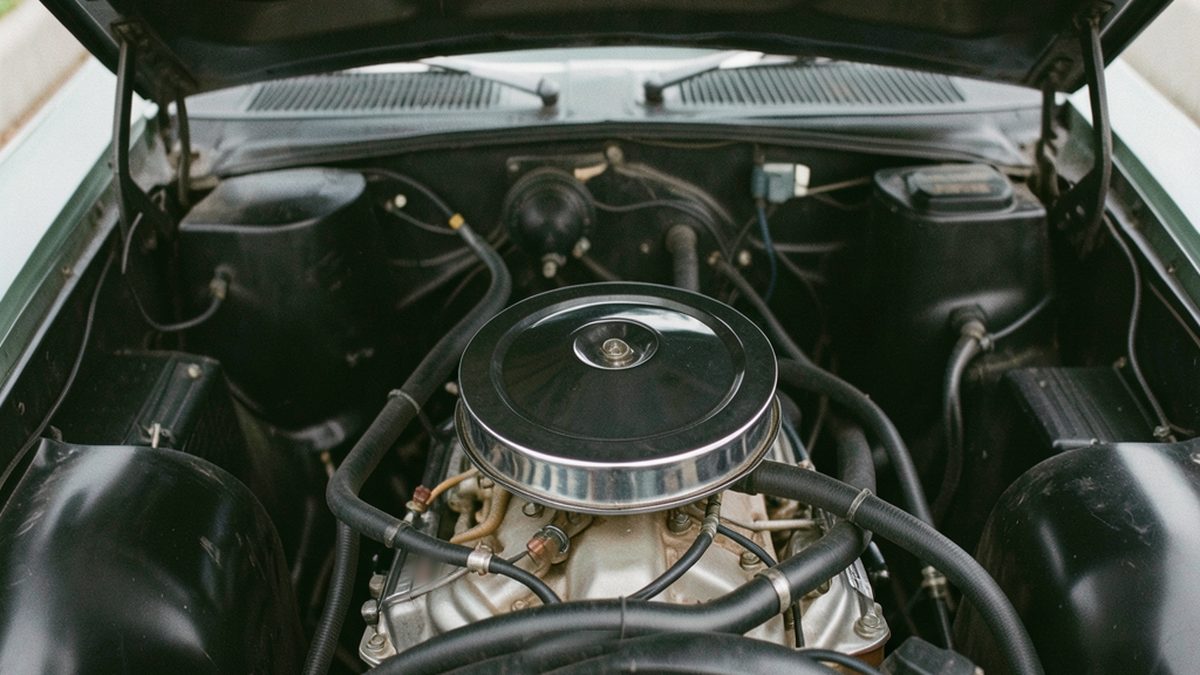
Under the truck accessories sits the same basic architecture that made the LS1 famous: a deep-skirt block, six-bolt main caps, excellent cathedral-port heads, and a valvetrain that takes RPM without complaint. The truck engines were tuned for towing and emissions, not top-end power, so the factory left a huge amount on the table. That gap between what the engine is and what it was asked to do is exactly where the cheap horsepower lives.
The formula was deliberately boring. We bought a complete, high-mileage 5.3 out of a salvage yard for four hundred dollars, checked it over, and left the bottom end alone. The money went where it matters on these engines: a healthy camshaft, a set of valve springs to match, the correct pushrods, a proper tune, and an exhaust that finally lets the thing breathe.
The whole build happened over one weekend, and the result on the dyno was 512 horsepower at the wheels on pump gas. Nobody at the shop guessed that high. That is the punchline of the junkyard LS story: hardware GM gave away in every work truck responds to basic hot-rodding like a purpose-built performance engine, and it does it on the same fuel you put in your daily.
The accepted shop wisdom is that a healthy 5.3 bottom end will live happily at power levels that would have demanded a full race build a generation ago. Cam-only combinations like ours are the proven path, and the aftermarket has mapped every step of the recipe. Push into forced induction and the numbers climb well past what we made, though so does the risk you are asking a two-hundred-thousand-mile truck engine to absorb without a rebuild.
The sensible approach is the one we took. Verify the engine's health first, make your power with the cam and the tune, and treat anything more ambitious as a project that starts from a known-good core rather than a gamble on a mystery motor from row fourteen.
Four hundred dollars in. Five hundred and twelve horsepower out.
Buy complete engines whenever you can. The accessories, harness, coils, and sensors that come with a complete pullout are worth real money if you had to source them separately, and a complete engine usually means the truck was running when it arrived. Look for a straight oil pan, unbroken sensors, no missing hardware, and coolant passages that are not packed with sludge. A yard that pulls engines carefully is worth driving past three yards that do not.
Once it is home, do the basic homework before you spend another dollar. Turn it over by hand, run a compression or leakdown test, pull the valley cover if you are suspicious, and cut open the oil filter if one is still attached. Twenty minutes of checking is the difference between a weekend success story and a very expensive paperweight.
Most truck 5.3s you will find are iron-block engines, and that is fine: the iron block gives up nothing at these power levels and shrugs off abuse. Grab the accessory drive and the flexplate while you are at the yard, and photograph everything before it comes apart. Future you, standing in the garage holding a box of unlabeled sensors, will be grateful.
The 6.0 gives you more displacement and a stouter iron block, and it responds to the same parts the same way. The catch is that everyone knows it, so 6.0 pullouts routinely cost multiples of what a 5.3 brings in the same yard. If the budget is the whole point, the 5.3 wins on price per horsepower almost every time. If you are chasing a bigger number from the start and can absorb the higher buy-in, the 6.0 is the better core. Neither choice is wrong. One of them just costs more on day one.
The engine is the cheap part. The swap itself is where the budget lives or dies: mounts, oil pan clearance, a harness and controller, fuel supply, cooling, driveshaft, and exhaust all add up. Careful budget builders routinely land complete swaps in the low thousands all in, which is still the cheapest route to modern, reliable V8 power this hobby has ever seen.
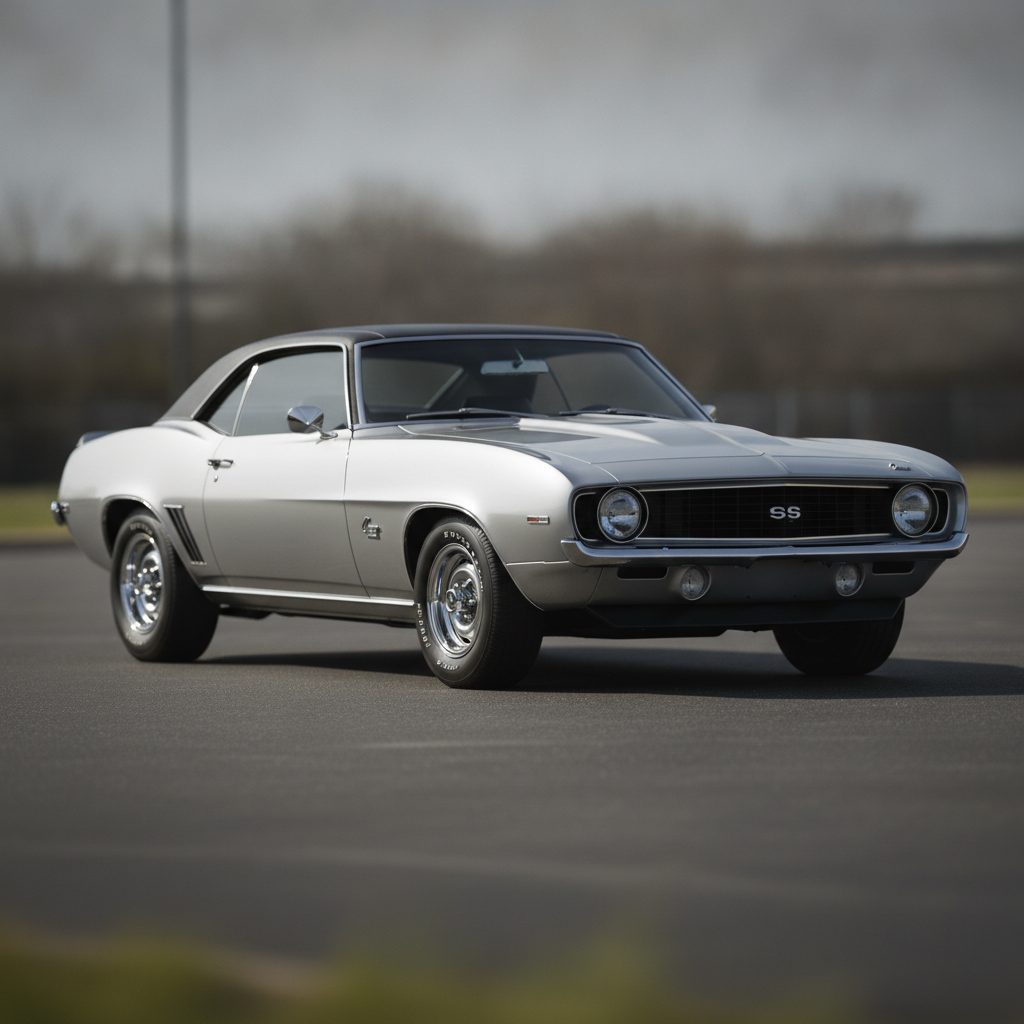
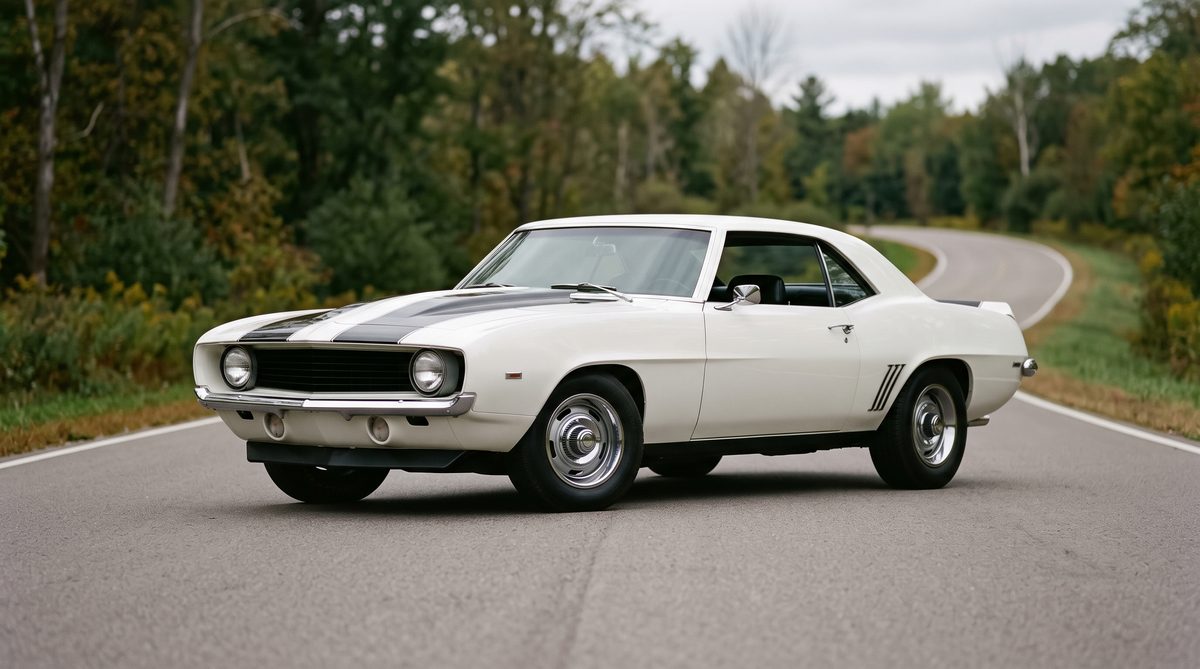
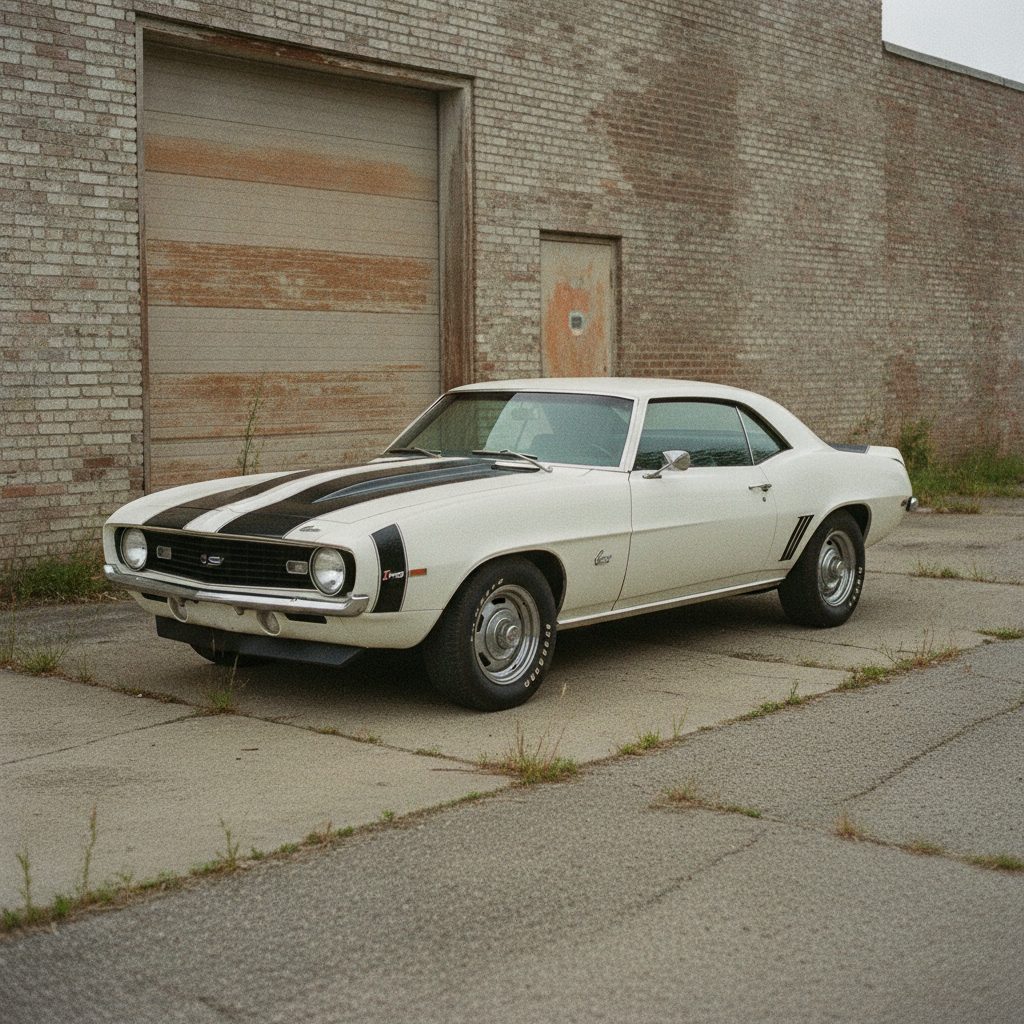
It is also why the swap crosses brand lines without apology. We watched a 1968 Mustang get modern Coyote power for several times the money, and it made a wonderful car. But for sheer dollars per horsepower, nothing touches a junkyard 5.3 dropped into a second-generation Camaro or any other muscle-era shell with small-block room between the fenders.
Truck cams are ground for low-end torque, quiet idle, and emissions, which is why a cam swap wakes these engines up so dramatically. The recipe is standard and well documented: a proven street grind, matching valve springs, correct-length pushrods, and a professional tune to make the whole package work together. Skip the tune and you are leaving power on the table while risking the engine. The tune is not the garnish. It is half the meal.
And if your ambitions run past what one junkyard engine can give, the same logic scales all the way up. The thousand-horsepower street Camaro we featured proves the ceiling is set by your budget and your discipline, not by the badge on the valve cover.
Common shop wisdom holds that a healthy stock 5.3 bottom end tolerates well over five hundred horsepower in street use, which is why cam-only builds like ours are so popular. Condition matters more than any number, so verify compression, leakdown, and oil pressure before leaning on any junkyard engine.
The engine itself is often a few hundred dollars, but mounts, oil pan, harness, controller, fuel system, cooling, and exhaust add up quickly. Careful budget builders routinely complete the entire swap for a figure in the low thousands, which remains the cheapest path to reliable modern V8 power.
Usually not. These engines are famously durable, and most builders run them after basic checks: turn the crank by hand, run a compression or leakdown test, and inspect the oil. Fresh gaskets and seals while the engine is out are cheap insurance, but full rebuilds are rarely necessary.
For a street build, pick a proven off-the-shelf grind from a reputable manufacturer and buy the matching valve springs and pushrods at the same time. A professional tune is not optional. The right cam depends on your transmission, gearing, and goals, so buy the combination, not just the part.
The muscle world, every morning. Auctions, builds, reveals. Free.