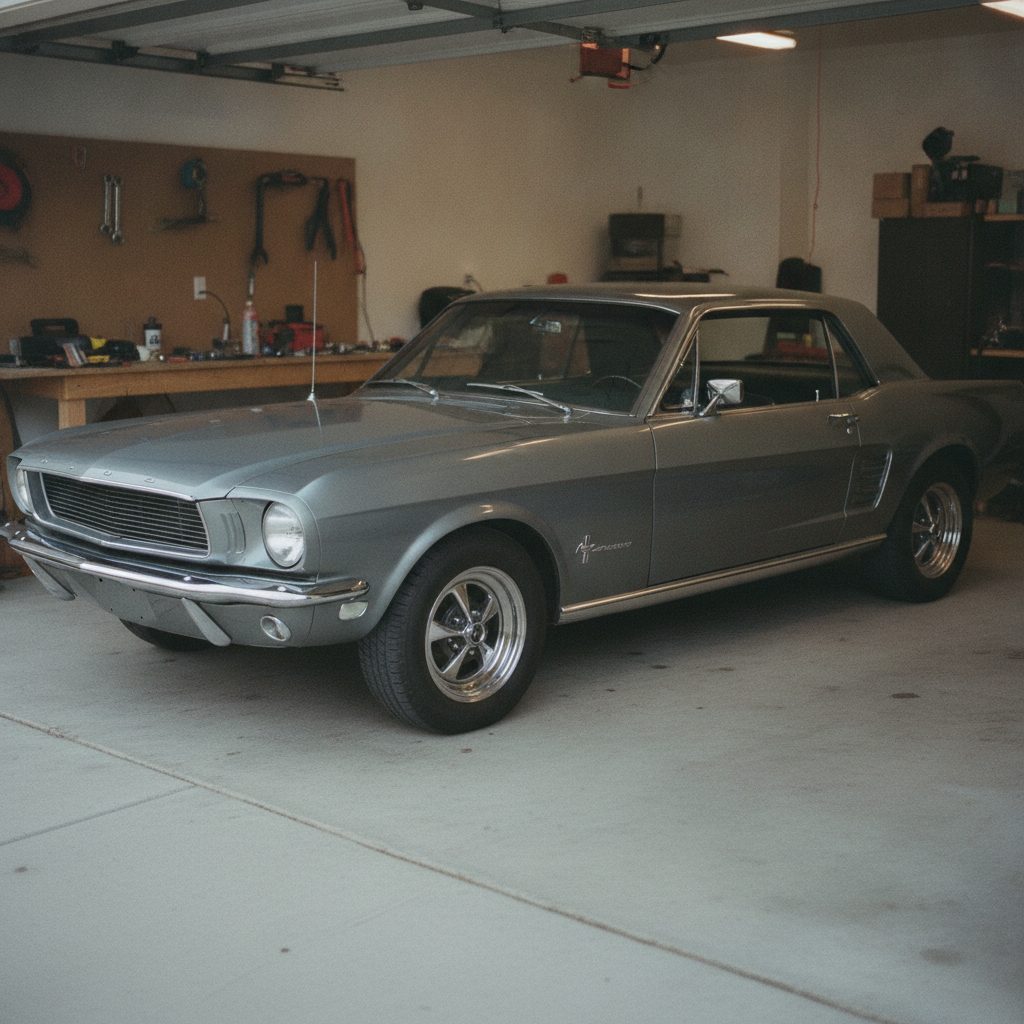
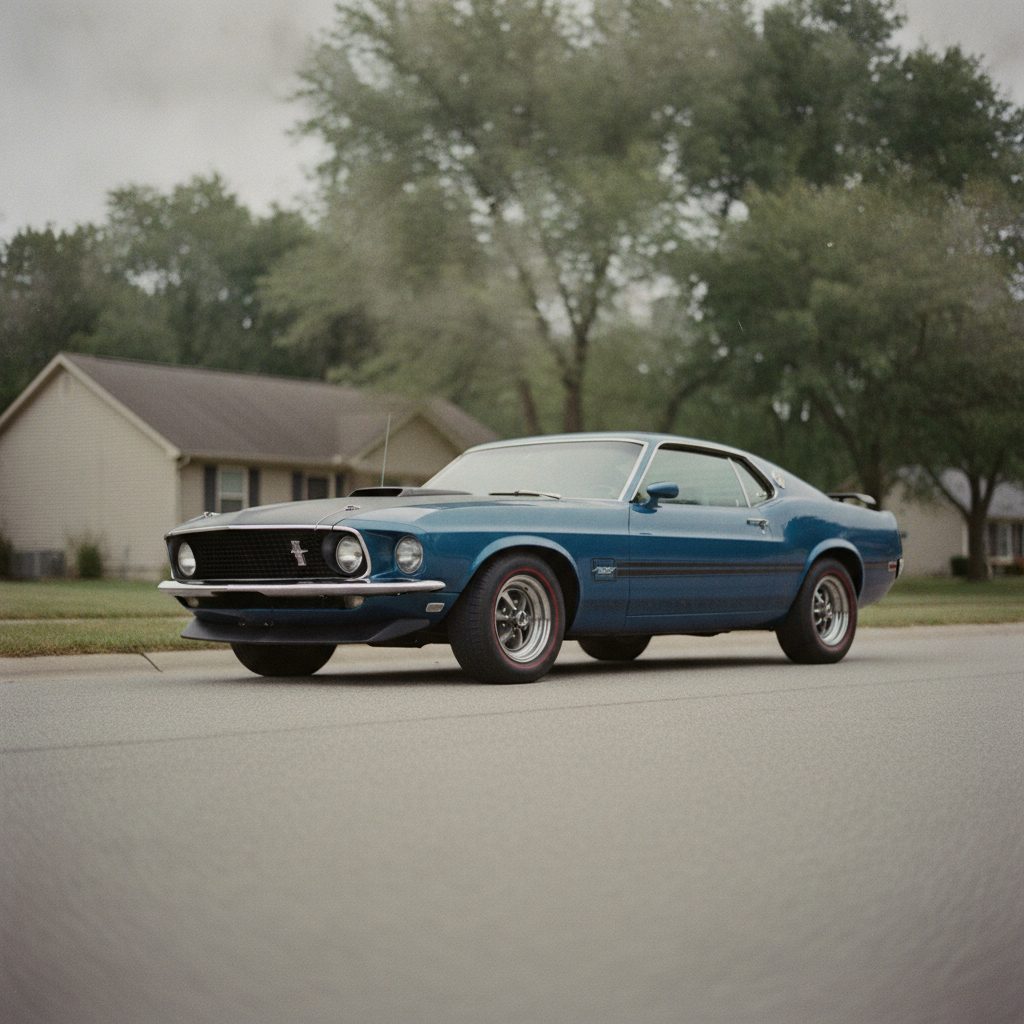
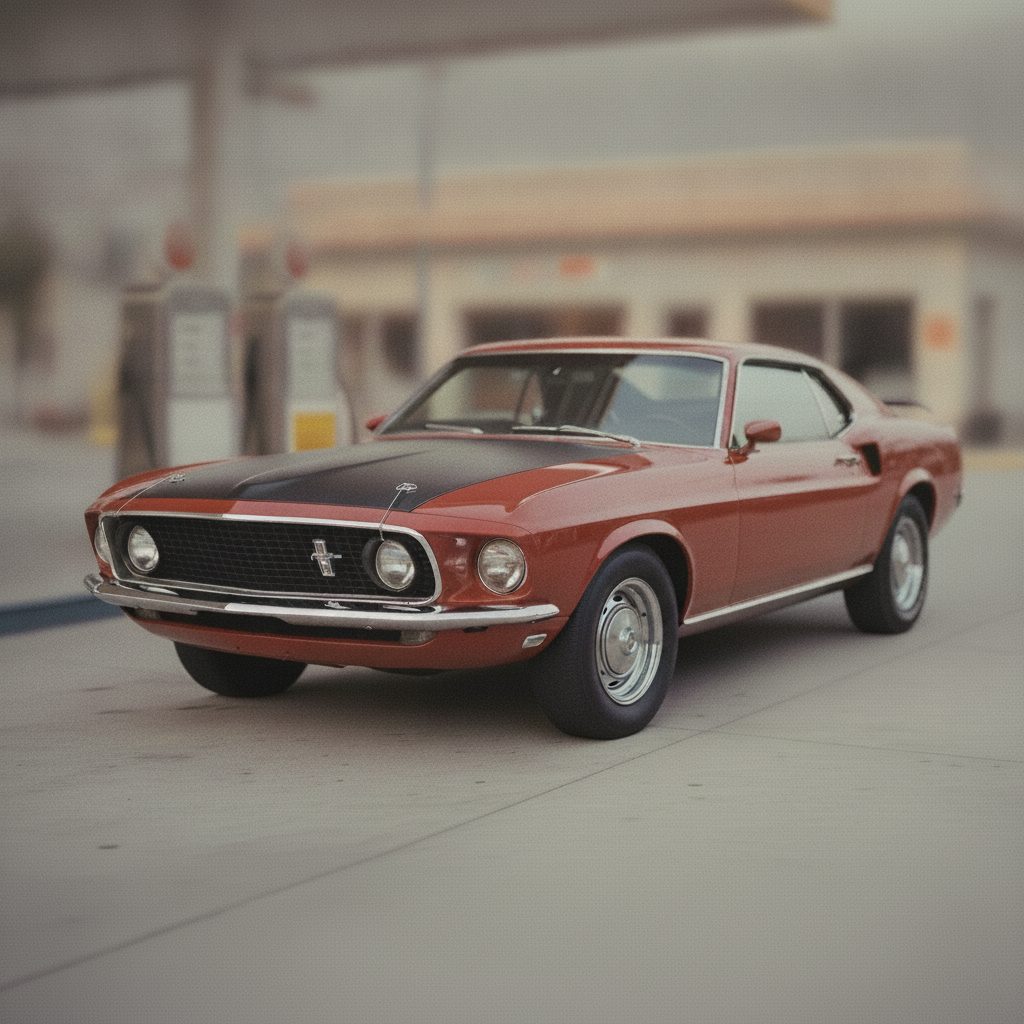
Restomod Fastback, Daily Driven
Modern Coyote power, modern suspension, vintage lines. And it gets driven to work.
Modern Coyote power, modern suspension, vintage lines. And it gets driven to work.

The restomod formula is well known by now: classic body, modern everything. What separates the good ones is whether the owner actually drives it. This one is a daily.
Coyote power, coilovers, big brakes, and an interior you can live in. It is fast, comfortable, and reliable, which is the whole point of the genre. This fastback commutes. It sits in traffic with the air conditioning on, it parks in a normal lot, and it does the grocery run on Saturday morning. In a hobby full of cars that only travel by trailer, that might be the most radical thing about it.
The word gets stretched to cover everything from a set of radial tires to a full chassis swap, but the honest definition is simple: a restomod keeps the vintage body and character while replacing the mechanical systems that made old cars frustrating. Engine, transmission, suspension, brakes, wiring, climate control. The look stays 1960s. The function moves to now. The genre grew up because a whole generation loves how a first-generation Mustang looks and has no romance whatsoever about points ignition, drum brakes, or a heater that half works.
The drivetrain follows what has become the standard Ford recipe. A modern Coyote 5.0 replaces the original small block, bringing double-overhead-cam breathing, electronic fuel injection, and factory-grade reliability in a single stroke. We walked through the engineering of that conversion in detail in our story on a 480-horsepower 1968 Coyote coupe, and every clearance and wiring lesson from that build applies here too.
Under the body, coilovers modernize the front suspension and locate the rear axle properly, dropping the car to a stance Ford never offered and adding actual damping control. Big brakes fill modern wheels, and the interior gets the quiet upgrades that matter for daily use: supportive seats, sound insulation, a usable stereo, and air conditioning that works in August. Nothing about the visual identity changes. Everything about the experience does.
The details are where restomods earn their keep. A modern steering rack replaces the vague factory box, an aluminum radiator with electric fans keeps the Coyote comfortable in traffic, and a full rewire retires the fifty-year-old harness that causes most classic car electrical fires. LED lighting, a hidden modern fuse panel, and proper grounds turn electrical gremlins from a lifestyle into a memory. None of these upgrades make the car faster. All of them make it a car you stop thinking about, which is the real definition of daily transportation.
Anyone can build a fast car that works on a sunny Sunday. A daily has a different job description. It has to start hot and cold, idle in gridlock without overheating, stop in a panic next to modern crossovers, and shrug off rain. That means an electric fan and a real radiator, fuel injection instead of a temperamental carburetor, a modern charging system, and brakes engineered as a system rather than bolted on as parts. We have made this case before: a proper front disc setup is the single most important upgrade a classic can get, and our guide to disc brake conversions explains how to do it right.
The best restomod is the one parked at work on a Tuesday.
Tires deserve their own line item. Modern rubber on properly sized wheels transforms braking distances, wet grip, and highway stability more than almost any single mechanical change, and it does so invisibly when the sizing stays tasteful. Add a dual-circuit master cylinder, three-point belts, and headlights that actually light the road, and the safety gap between 1968 and now closes to something an owner can live with honestly.
The restoration crowd has a fair point: original cars are historical documents, and a numbers-matching survivor should stay that way. But the argument only applies to cars with originality left to preserve. Most project fastbacks were used up decades ago, wearing replacement panels, non-original engines, and forty years of previous owners' decisions. Those cars are candidates, not casualties. A thoughtful restomod built on an already-modified car preserves the body and the badge while giving the machine another fifty years of relevance. The sin is not modification. The sin is doing it badly, or doing it to the wrong car.
For years the assumption was that modified meant devalued. The market has moved. Well-executed restomods, especially Coyote-powered fastbacks with professional fabrication and documented builds, now command strong money and sell quickly, because the buyer pool for a classic you can actually use is enormous compared with the pool for a museum piece. Quality is the dividing line. Show-level paint, clean wiring, and a build binder full of receipts put a car at the top of the market. A cut-up shell with a crate engine and hardware-store fabrication sits at the bottom, and no engine badge can rescue it.
There is a generational current underneath the numbers. Buyers entering the hobby now grew up with fuel injection and antilock brakes, and they want the 1960s shape without the 1960s ownership experience. They are exactly the audience a car like this fastback is built for, and their money is steadily reshaping what the collector market rewards. Watch any recent auction weekend and the pattern is plain: the usable cars are the ones the bidders fight over.
Body style is destiny in the Mustang world. The 1965 to 1968 fastback roofline is one of the most recognizable shapes American design ever produced, and film history turned it into shorthand for cool. Coupes are more plentiful and more affordable, convertibles have their own following, but fastbacks anchor the top of the value charts and lead every restomod trend. That status cuts both ways: genuine fastback shells have become scarce and expensive, which is why the decision to build one into a daily driver rather than a garage ornament says so much about the owner's priorities.
That is the quiet lesson of this car. The point of all the engineering, the Coyote, the coilovers, the brakes, is not a spec sheet. It is the freedom to turn the key on a Wednesday in the rain without a second thought. Plenty of builds chase numbers. This one chases usefulness, and in doing so it makes a better argument for the restomod genre than any dyno graph could.
A restoration returns a car to factory-original condition, correct down to finishes and date codes. A restomod keeps the classic body and styling but upgrades the drivetrain, suspension, brakes, and electronics with modern components. Restorations preserve history. Restomods prioritize drivability, reliability, and performance while keeping the vintage character intact.
Yes, and that is the point of the genre. With fuel injection, modern cooling, disc brakes, upgraded wiring, and air conditioning, a properly built restomod starts, drives, and stops like a modern car. The practical limits are usually rust protection, parking-lot risk, and the owner's tolerance for adding miles.
The Coyote 5.0, Ford's modern double-overhead-cam V8, is the default choice for Mustang restomods, offering 412 to 486 factory horsepower with everyday reliability. Some builders use carbureted Windsor small blocks for a period look, and a few cross brand lines, but Coyote power has become the accepted standard.
Well-built restomods hold value strongly, and the best examples have appreciated as demand for usable classics grows. Execution decides everything: documented professional builds with quality fabrication command premiums, while amateur work discounts a car heavily. A restomod's value lives in its engineering quality, not just its parts list.
The muscle world, every morning. Auctions, builds, reveals. Free.