Why the Barn-Find Era Is Finally Ending
For thirty years the dream was to pull a tarp and retire. The collectors who understand why that no longer works are already buying something else.
For thirty years the dream was to pull a tarp and retire. The collectors who understand why that no longer works are already buying something else.
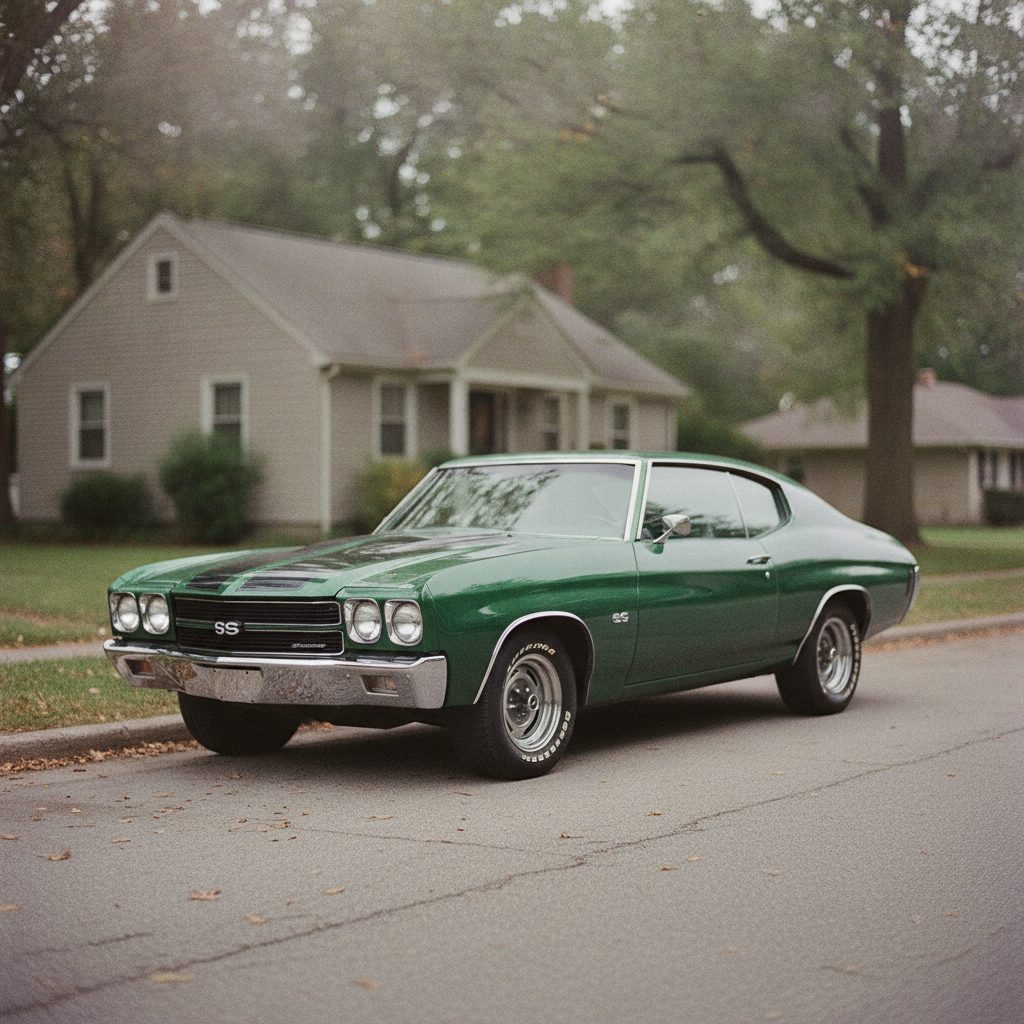
For a generation, the fantasy was simple: find the forgotten car, pull the tarp, cash out. That math built a whole culture of barn-find hunting, complete with television shows, coffee-table books, and a thousand rumors about a big-block sleeping in a shed one county over. It is quietly breaking down, and the collectors who understand why are already buying something else.
The classic definition is narrow. A barn find is a significant car that left the road decades ago, escaped the attention of the hobby, and survived in dry storage with its identity intact. The term got stretched because it sold. By the 2010s, auction catalogs were hanging the label on any dusty car with flat tires, and "barn find condition" became a sales pitch rather than a description. That stretching was itself a signal. When the marketing has to manufacture the thing, the supply of the real thing is running out.
Real barn finds mattered because they solved the collector's hardest problem: originality. A car that went to sleep in 1974 cannot have been restored wrong, cloned, or rebodied in the years since. The dust was the documentation. That is why an untouched, low-mile survivor could out-price a freshly restored example of the same model, and why the hunt became a full-time obsession for a certain kind of enthusiast with a flashlight and a county plat map.
The golden age ran roughly from the early 1990s through the mid 2010s. The muscle-era cars were old enough to have been parked and forgotten, the owners who parked them were reaching the age where estates get settled, and the internet had not yet put a price guide in every pocket. A knowledgeable buyer with patience and gas money genuinely could knock on doors and drive home a big-block Chevelle for a fraction of its value. Whole businesses were built on doing exactly that.
Two discoveries defined the peak. The Lambrecht Chevrolet auction in Pierce, Nebraska drew a worldwide audience in 2013, when a small-town dealer's hoard of unsold, delivery-mile Chevrolets finally crossed the block. A year later the Baillon Collection surfaced in France: dozens of significant classics, including a Ferrari 250 GT California Spider, sleeping under tarps and collapsing lean-tos. Those stories made the fantasy feel universal. In hindsight, they were the sound of the era peaking.
Television finished what the auctions started. A full generation of barn-find and restoration programming turned every garage in America into a suspected treasure vault, and every viewer into an appraiser. That was great entertainment and terrible economics, because the entire model depended on an information gap between the hunter and the owner. The shows closed the gap on a national scale, one episode at a time, and the hobby cheered while its own supply chain was being educated out of existence.
The supply of undiscovered cars is finite, and it is nearly gone. Every significant muscle car left the factory with a serial number, and registries, clubs, and marque historians have spent fifty years reconciling those numbers against known cars. The famous cars have been found. The estates have been picked through. The rumor that survives today has usually been chased down three times already, and the shed at the end of it is usually empty, or holding a six-cylinder sedan.
Demographics did the rest. The generation that parked these cars is passing, and their heirs do not leave a Chevelle in a barn out of sentiment. They call an auction house, because thirty years of barn-find headlines taught everyone exactly what dusty metal might be worth. Awareness was the predator. The barn find could only exist while owners did not know what they had, and after three decades of television, almost nobody is left who does not know.
The famous barns are empty. The money noticed before the headlines did.
What is left is rougher, pricier to restore, and harder to verify, and the money knows it. Restoration costs have climbed far faster than the value of mid-tier muscle cars, which means a rusty, incomplete project can be worth less than zero once you subtract the cost of saving it. Bodywork, chrome, upholstery, and correct date-coded parts all cost real money, and the market only pays that money back on the very best and rarest cars.
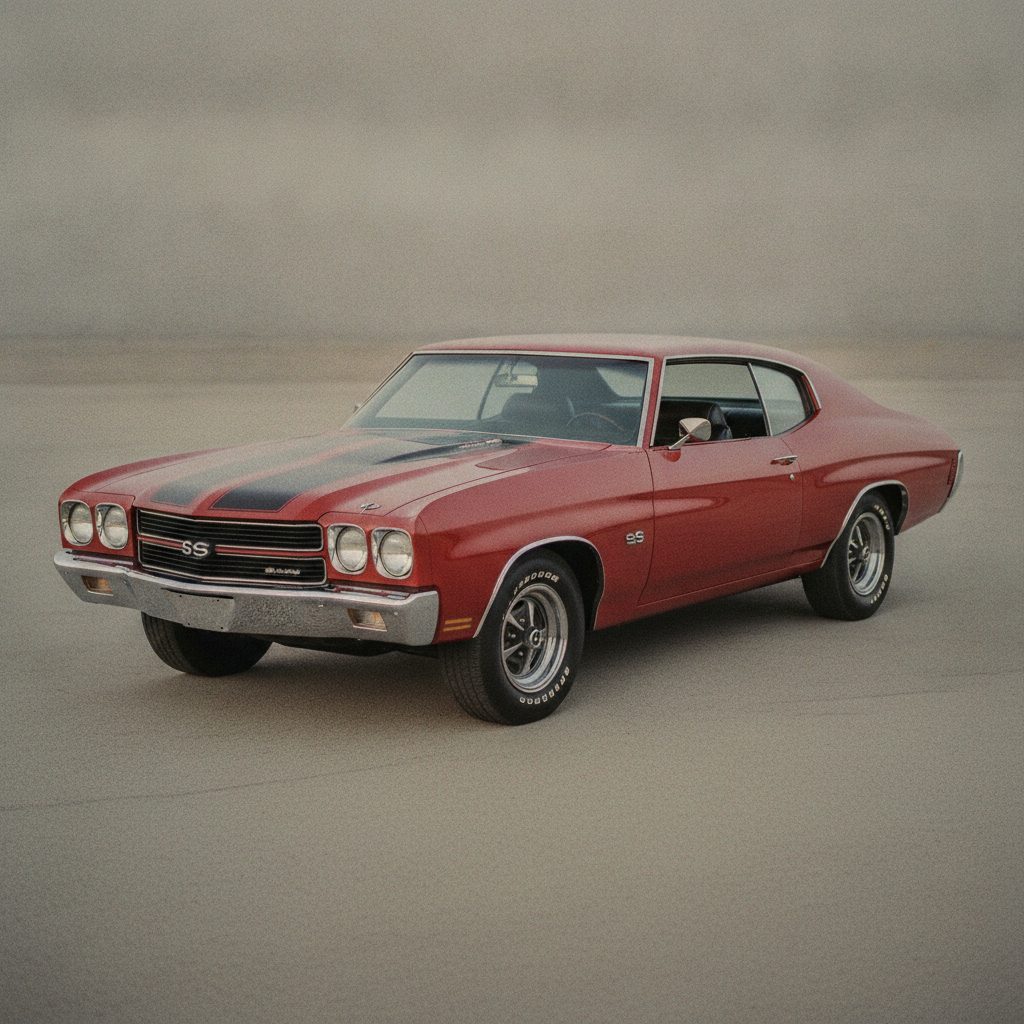
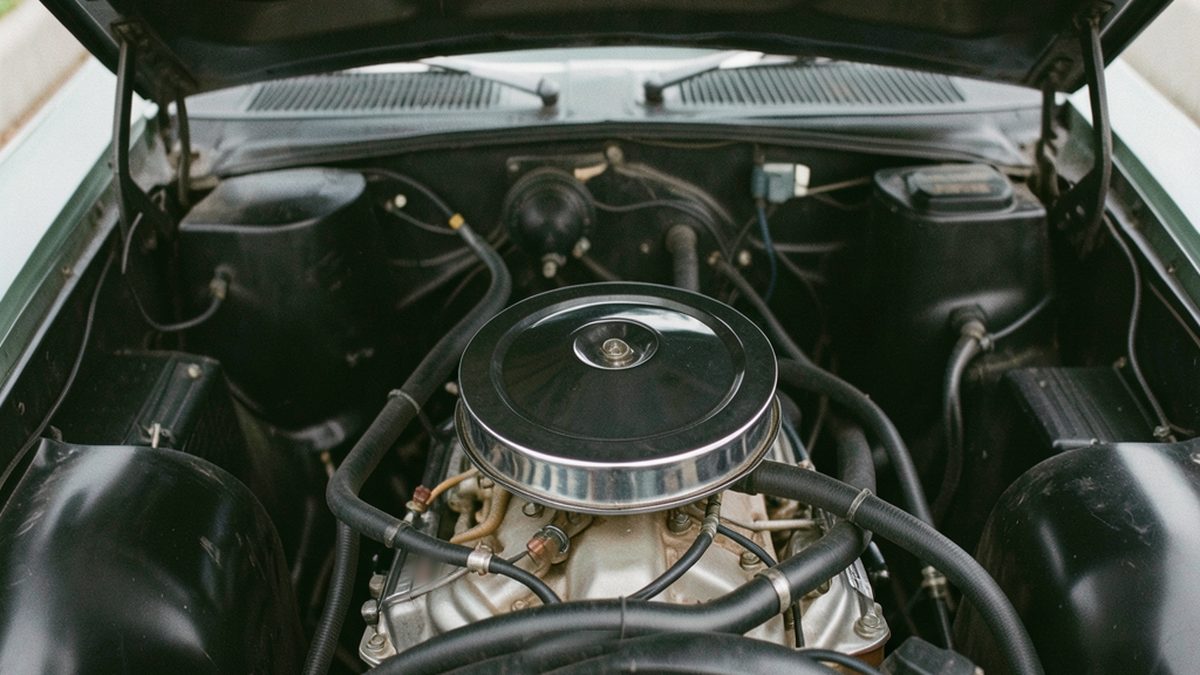
Verification is the other half of the problem. The premium for a documented, numbers-matching car over an undocumented one has never been wider, and a car with no paper trail and forty years of missing history is exactly the kind of purchase the current market punishes. Buyers learned their lesson during the clone era. A dusty SS badge proves nothing, and for the first time, everyone at the auction acts like it.
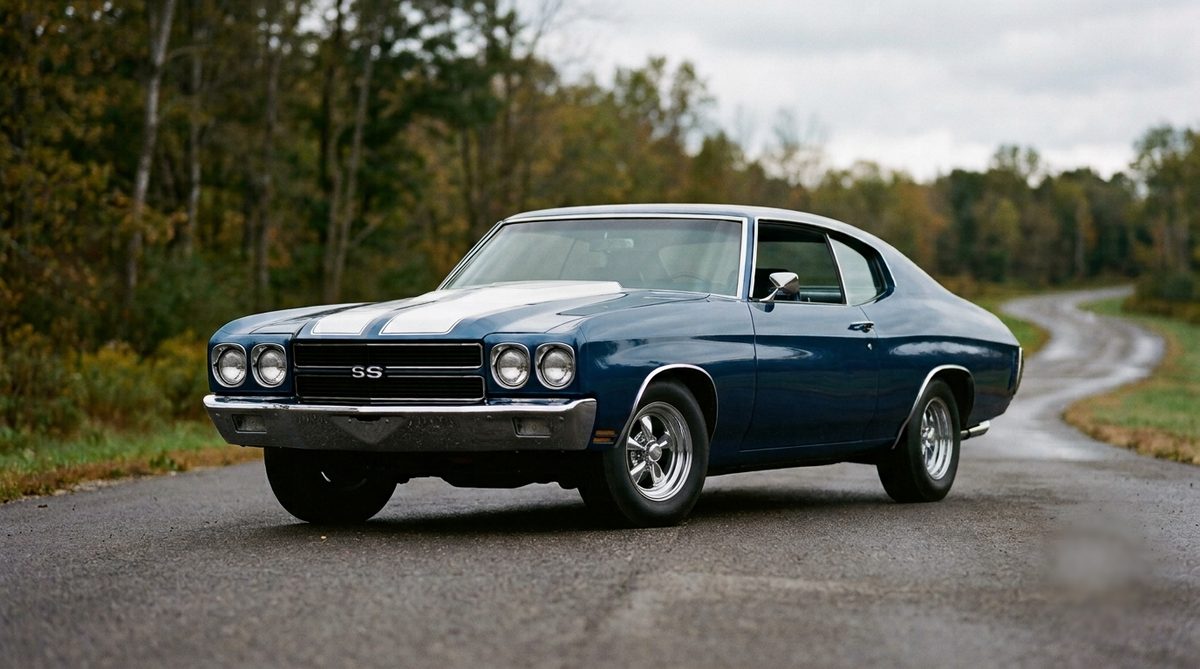
Smart collectors shifted to documented, sorted cars they can actually drive. The action moved from the field to the folder: build sheets, warranty plates, registry listings, and unbroken ownership chains now move price more than patina does. A well-documented driver has become the rational buy, because it delivers the entire experience without the archaeology, and it sells again without an argument.
The other destination is final-year modern muscle, bought new and stored, the instant collectible that skips the barn entirely. The pattern is already proven. The last-call Dodges sold out on the promise of future value, and the delivery-mile 1987 Buick GNX that surfaced with eight miles showed exactly what a perfectly preserved time capsule is worth against a project with a story. The story moved from the barn to the showroom, and the returns went with it.
None of this means barn finds are worthless. It means the lottery is over and the market has repriced the odds. A genuine, significant car in dry storage with paperwork will still bring strong money, precisely because it is now so rare. What has died is the assumption that any forgotten car is a retirement plan. Most of them are just old cars with expensive problems and a good opening line.
For the buyer, the practical advice inverts the old fantasy. Stop hunting sheds and start hunting documents. The undervalued asset in today's market is not the hidden car. It is the honest, verified, slightly unfashionable car sitting in plain sight with a folder of receipts, the kind of car the barn-find era trained everybody to walk past on the way to the tarp.
A barn find is a collectible car that was parked decades ago and rediscovered in long-term storage, typically a barn, garage, or shed. The term implies the car is unrestored and largely original. Auction houses now use it loosely, so buyers should judge condition and documentation, not the label.
Sometimes. Highly original, historically significant cars can carry a premium because unrestored condition proves authenticity. But most barn finds are ordinary cars needing expensive restoration, and the project can cost more than the finished car is worth. The premium belongs to rare, documented cars, not to the dust itself.
The Baillon Collection, discovered in France in 2014, is the most famous modern example: dozens of significant classics, including a Ferrari 250 GT California Spider, found in decaying storage. In America, the 2013 Lambrecht Chevrolet auction in Nebraska, with its unsold delivery-mile cars, is the best known.
It is still possible, but genuinely rare. Most significant American muscle cars have been located through registries, clubs, and decades of door knocking. Discoveries still surface through estates and rural property sales, but the odds are long, and what turns up now tends to be rougher, less valuable models.
The muscle world, every morning. Auctions, builds, reveals. Free.