The Buick That Out-Torqued Everything
For one model year, the quietest division at General Motors built the hardest-hitting engine in America.
For one model year, the quietest division at General Motors built the hardest-hitting engine in America.
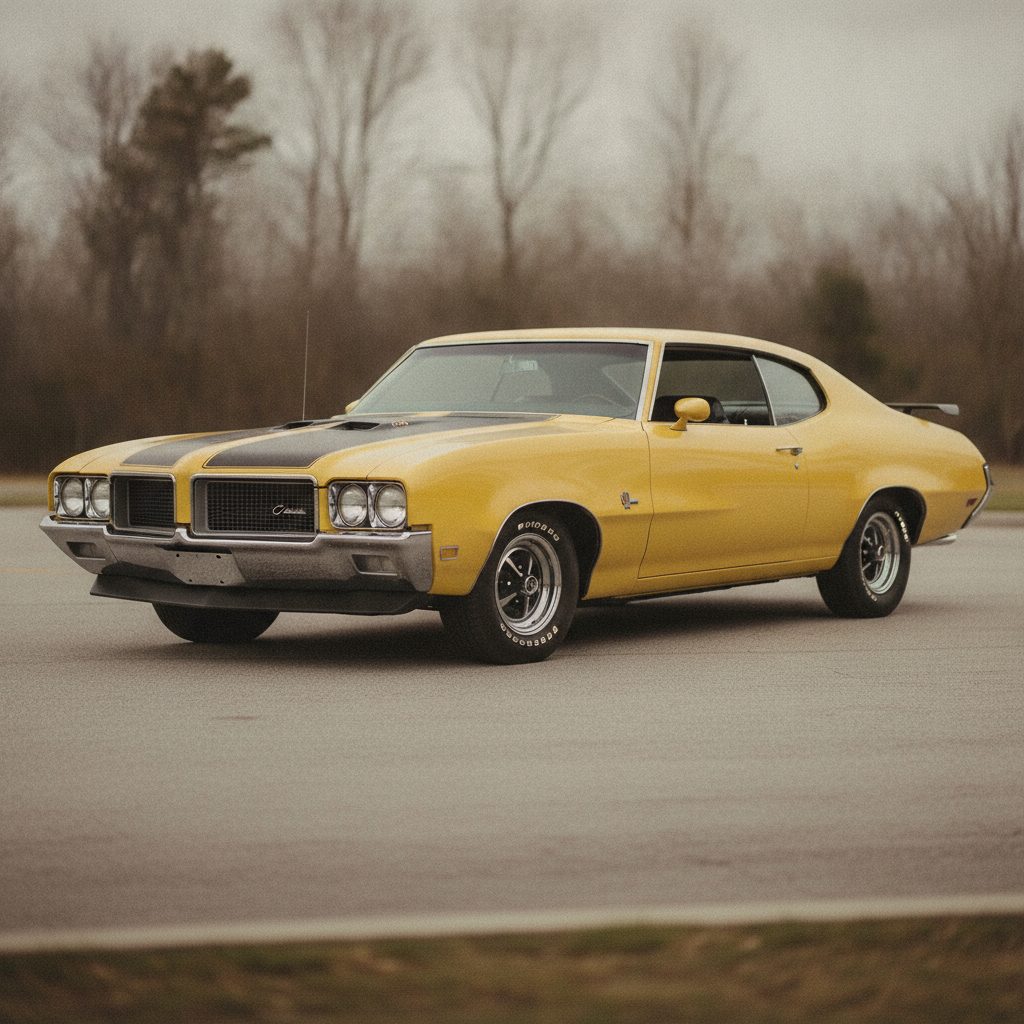
Buick spent the 1960s selling comfort. Quiet cars, deep seats, soft rides, the sort of machine your dentist drove to the office. Then in 1970 the division nobody was afraid of rolled out a yellow coupe with a rear spoiler and a 455 under the hood, and for one model year it made more torque than anything else sold in America.
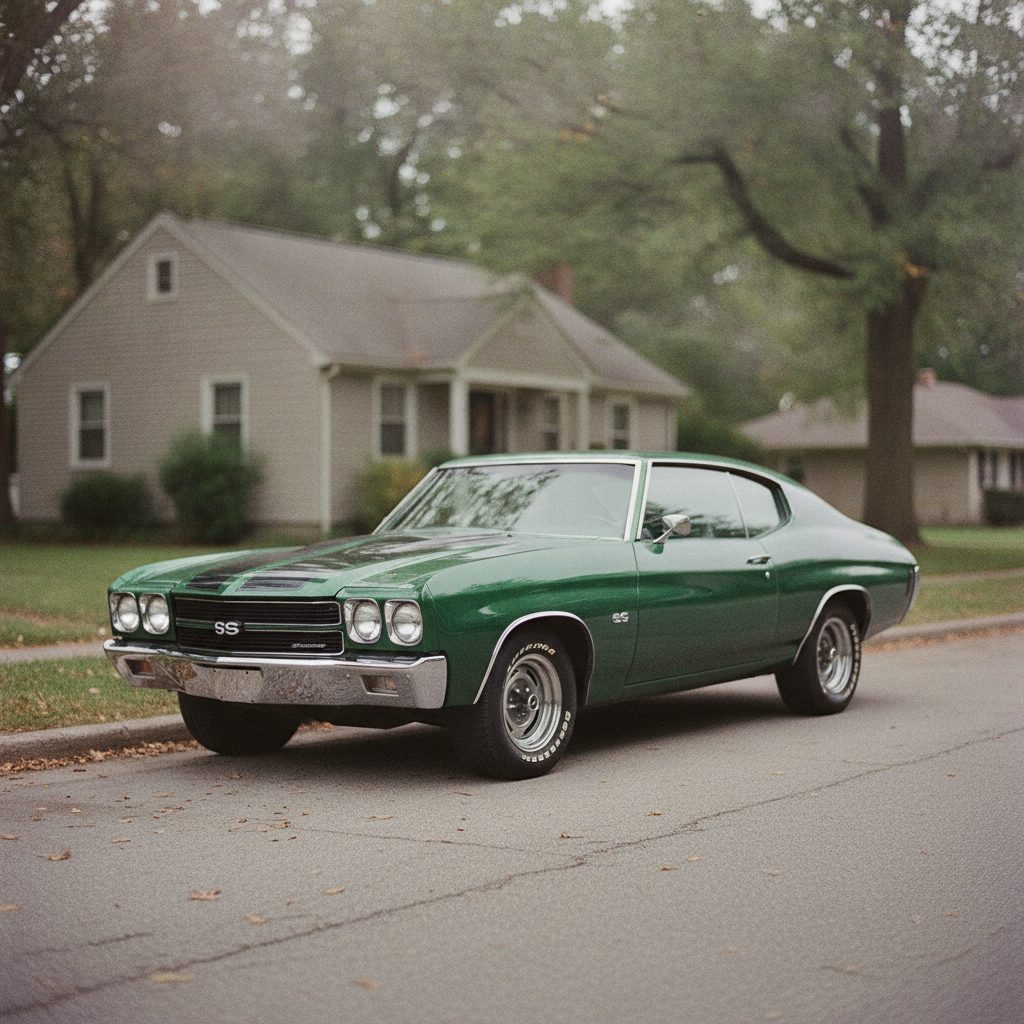
The GSX exists because of the same corporate decision that unleashed the rest of GM's 1970 lineup. For years, General Motors capped its intermediate cars at 400 cubic inches, which kept Buick's biggest engines out of its mid-size Gran Sport. When the cap came off for 1970, every division reached for its largest motor at once. Chevrolet built the Chevelle SS 454 LS6, Oldsmobile leaned into the 442, and Buick, the brand with the softest image in the building, quietly assembled the hardest-hitting torque number of the entire era.
The GSX was a package rather than a separate model. Buick started with the Gran Sport 455, then added front and rear spoilers, a hood-mounted tachometer, blackout hood stripes, a heavy-duty suspension, power front discs, G60x15 tires and a Rallye steering wheel. It was offered in exactly two colors: Saturn Yellow or Apollo White. Nothing else. If you wanted a GSX in green, you wanted a different car.
The engine is where the story lives. The Stage 1 version of the 455 carried a factory rating of 360 horsepower, which almost nobody in the business believed, and 510 lb-ft of torque at 2,800 rpm, which everybody believed the moment they drove one. Motor Trend ran a Stage 1 through the quarter mile in 13.38 seconds at 105.5 mph, straight off the showroom floor on street tires with a full interior. That was quicker than most of what Detroit sent them that season, and it came from the brand that advertised ride quality.
Stage 1 was real hardware, not a sticker. The package brought bigger valves, a hotter camshaft, a rejetted carburetor, a recurved distributor, and a positraction rear, the kind of parts list a racer would spec. What made it a Buick was where the power lived. Peak torque at 2,800 rpm meant the car did its violence just off idle, without drama, without a screaming cam. It was brutality delivered with the manners the division had always sold.
It made more torque than a 426 Hemi, and it made it 1,200 rpm sooner.
The GSX landed late in the 1970 model year, and the timing could not have been worse for volume. Insurance underwriters were already strangling the whole supercar category, and Buick built just 678 GSXs. Of those, 479 carried the Stage 1 engine, 280 behind the automatic and 199 behind the four-speed. Those numbers make the GSX one of the rarest headline muscle cars of 1970, scarcer by far than the big Chevelles and GTOs it shared showrooms season with.
Rarity was not the plan. Buick priced and promoted the GSX as its answer to the striped and spoilered specials from every other division, and the ad copy called it "a limited edition" with more truth than the copywriters intended. The short run means that today, every survivor is documented, tracked, and argued over by a small, obsessive community that knows most of the cars individually.
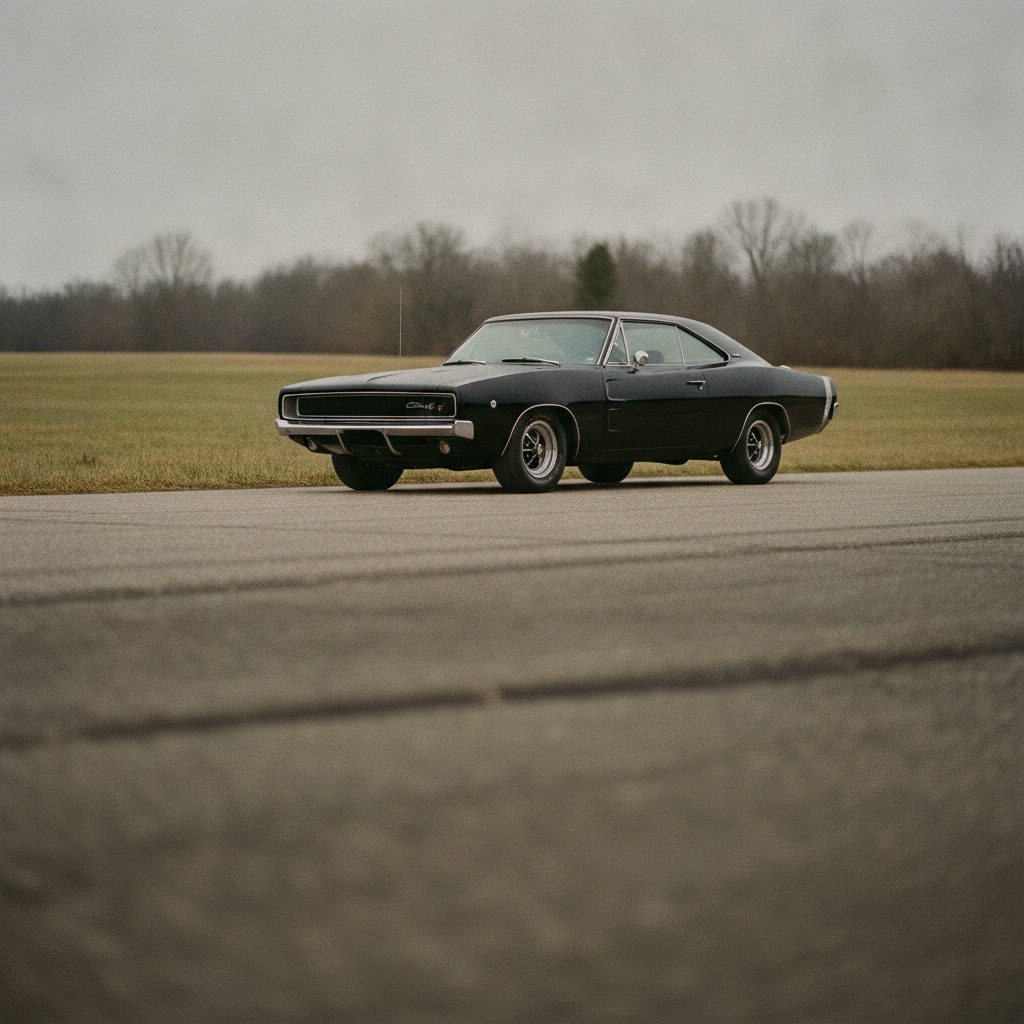
The GSX's 510 lb-ft stood above everything in the 1970 horsepower war. Chrysler's 426 Hemi made 490 lb-ft at 4,000 rpm. The LS6 454 made 500 at 3,600. The Stage 1 made its 510 at just 2,800 rpm, which is why the seat-of-the-pants impression stunned road testers who expected a boulevard cruiser. In the real world of street lights and short gears, the Buick's torque curve was a cheat code. The others had to wind up. The Buick just left.
That is the argument GSX owners have been winning for half a century. Horsepower sold magazines, but torque won intersections, and no production car of the classic muscle era hit harder from a roll than a Stage 1 Buick. The 360 horsepower rating was widely treated as a political number, pitched low to calm insurers and corporate accountants, and the performance said everything the spec sheet would not.
The package came back for 1971 and 1972 in softer form, with compression down and the ratings down with it. GM's corporate switch to low-lead fuel pulled compression out of every engine in the building, and the GSX followed the same arc as the rest of the class. The later cars are interesting and rare in their own right, and they finally offered a full palette of colors, but the 1970 cars are the high-water mark, and the market has always priced them that way.
Buick's performance story went quiet after that, though not forever. The division's next great heresy arrived in the 1980s, when the turbocharged Grand National and GNX made Buick the terror of the stoplight all over again. The two eras bookend each other neatly: torque without apology in 1970, boost without apology in 1987, and long stretches of dentist cars in between.
With only 678 built, the GSX market is small, expensive, and unforgiving of stories. Because Stage 1 was an option rather than a model, and because stripes and spoilers are reproducible, documentation decides everything. Build paperwork, drivetrain codes, and known history separate the real cars from the tributes, and our Stage 1 verification guide walks through exactly what to check before any money moves. A verified Saturn Yellow Stage 1 four-speed sits at the very top of the Buick muscle market, and it earned that seat on the street first.
For buyers priced out of the GSX itself, there is a rational alternative hiding in plain sight. The Stage 1 engine could be ordered on the standard GS 455 without the GSX package, and Buick built those in far greater numbers. A documented GS 455 Stage 1 delivers the identical drivetrain experience, the same 510 lb-ft shove, for a fraction of the spoilered car's money. The GSX buys you the poster. The GS Stage 1 buys you the punch line.
Buick built 678 GSXs for 1970, all in Saturn Yellow or Apollo White. Of those, 479 carried the Stage 1 engine, split between 280 automatics and 199 four-speeds. The package returned in softer form for 1971 and 1972, but the 1970 cars are the collectible high-water mark.
The Stage 1 455 was rated at 510 lb-ft of torque at just 2,800 rpm, the highest torque figure of any American production performance car of its era. The 360 horsepower rating was widely considered conservative. Motor Trend ran a stock Stage 1 through the quarter in 13.38 seconds.
Exactly two: Saturn Yellow or Apollo White, both with blackout hood stripes, spoilers, and a hood-mounted tachometer. No other colors were offered on the 1970 GSX. The restricted palette makes originality easier to check today, since any other color means the car is not an original 1970 GSX.
Documented 1970 GSX Stage 1 cars sit at the top of the Buick muscle market, with four-speed examples the most sought after. Exact prices depend on documentation, drivetrain originality, and history, but verified cars are blue-chip collectibles, while undocumented or tribute cars trade far below them.
The muscle world, every morning. Auctions, builds, reveals. Free.