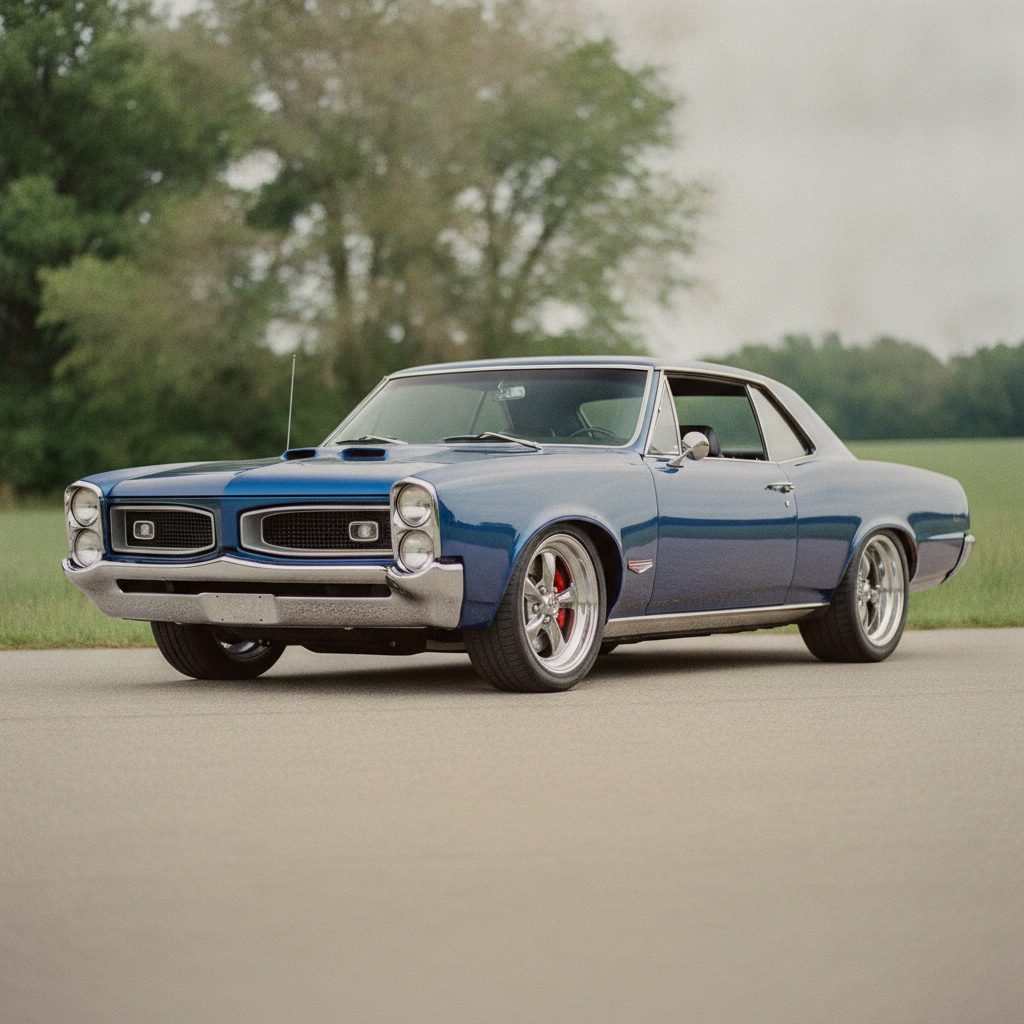
Judge Tribute, Done Right
Not everyone can afford a real Judge. Built like this, a tribute is nothing to apologize for.
Not everyone can afford a real Judge. Built like this, a tribute is nothing to apologize for.
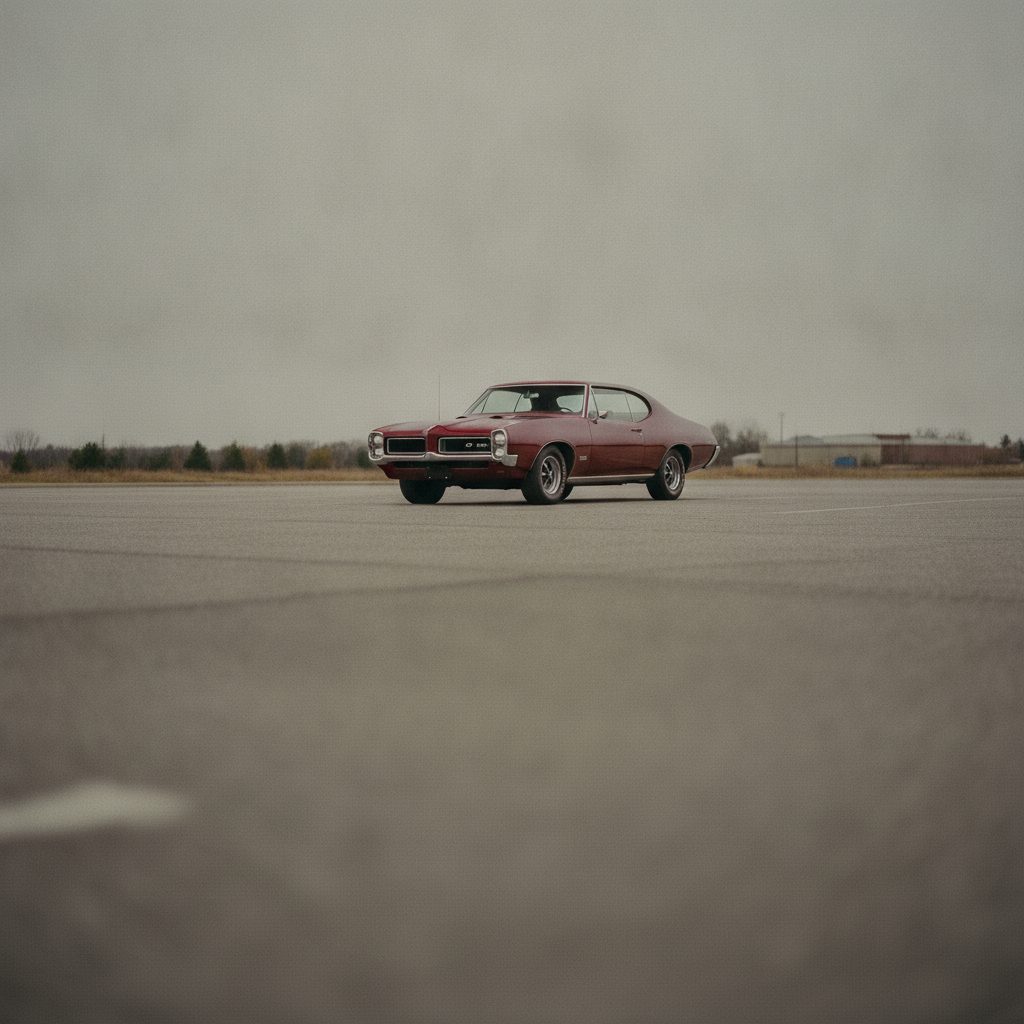
Real Judges have priced themselves out of most garages. A well-built tribute lets you have the look, the sound, and the experience without the seven-figure anxiety.
This is not a consolation prize, and it is nothing to apologize for. A tribute built with care delivers everything that made the Judge great in the first place: the stance, the stripes, the bark of a big Pontiac V8, and the freedom to actually drive it. The key word is honest: badged as what it is, built with care, and driven without fear of a rock chip. That is a healthy way to own a legend.
The math has changed for good. A documented 1969 Judge just set a record at auction, and the whole top tier of verified Pontiac muscle moved with it. Cars like that now live in climate-controlled storage and travel by enclosed trailer, which is rational ownership and a slightly sad fate for a machine designed to terrorize a stoplight. The original point of the Judge was to be driven hard and seen everywhere. A tribute restores the car to its original job description.
There is also the simple matter of access. Pontiac built 6,833 Judges in 1969, just 108 of them convertibles, and decades of attrition have shrunk the survivor pool further. Even a buyer with the budget faces a long hunt for a correct, documented car. A tribute needs a donor car, a parts catalog, and a plan, and the build can start this weekend. Prices for honest projects rise every year, but the parts network around the A-body Pontiacs keeps getting deeper, which keeps the tribute route realistic for a working budget.
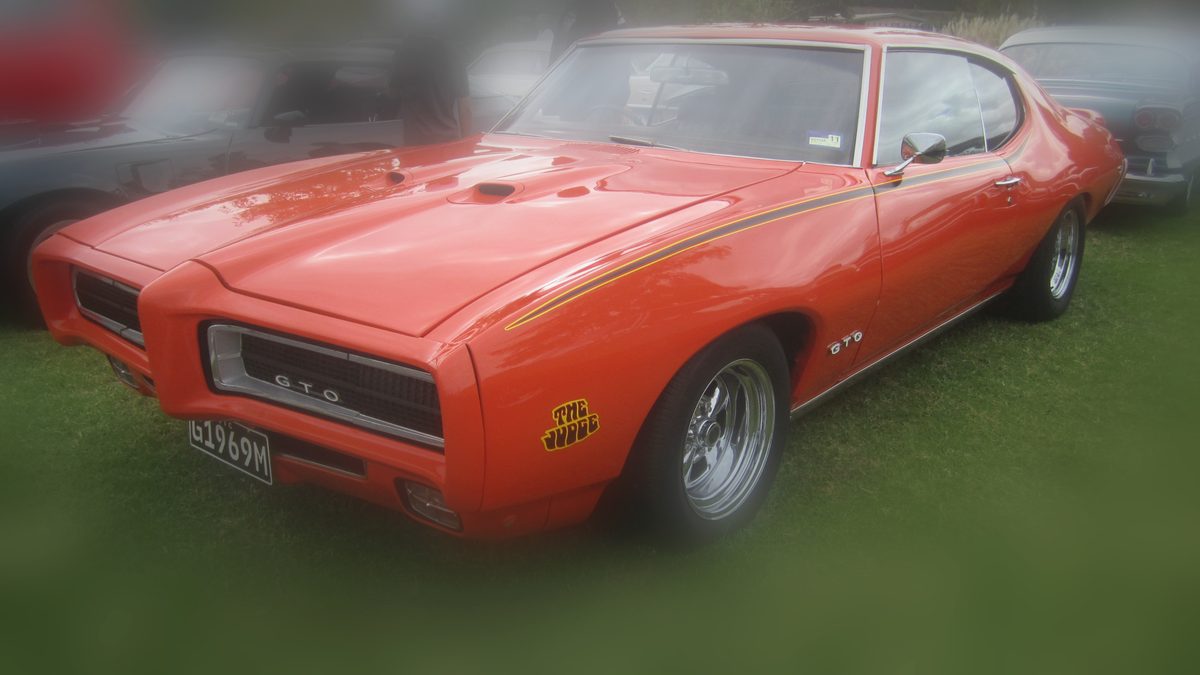
The Judge landed in December 1968 as a $332 option package on the GTO, and it was Pontiac at full volume. The Ram Air III 400 came standard at 366 horsepower, with tri-color stripes, a 60-inch rear spoiler, a blacked-out grille, and Rally II wheels without trim rings doing the visual work. The earliest cars all wore Carousel Red. The name came from a Laugh-In catchphrase, and the whole package dared you not to take it seriously. Then the engine made you.
Any tribute worth building starts with respect for that recipe. The details are what people recognize from fifty feet, and every one of those details is documented, photographed, and reproduced today. There has never been a better time to get a Judge tribute exactly right, which also raises the bar for calling one done.
The classic route is a 1968 or 1969 Pontiac LeMans or Tempest hardtop. They share the A-body shell and running gear architecture with the GTO, they were built in far greater numbers, and they sell for a fraction of GTO money. A straight, rust-free LeMans is a better foundation than a rough genuine GTO, because your budget goes into the build instead of the rescue, and nobody has to feel guilty about modifying it.
Buy the best body you can find and be patient about it. Floors, trunk pans, quarters, and patch panels are all reproduced, but major metal work is where project budgets go to die. Original options and matching numbers matter far less on a tribute build, which is one of the format's quiet advantages: you are shopping for condition, not provenance.
Buy the real one to store it. Build the tribute to drive it.
The Judge look is specific, and close enough is not close. The tri-color stripes follow a documented pattern along the upper body line, the rear spoiler is the tall 60-inch airfoil, the grille goes black, and the Rally II wheels run bare, without trim rings. Add the hood-mounted tachometer and the Judge decals in the correct locations and the silhouette becomes unmistakable. Reproduction suppliers cover all of it. The difference between a sharp tribute and a costume is patience with placement, panel gaps, and paint.
Carousel Red is the color the world associates with the Judge, and for good reason, since the earliest cars all wore it. Nothing stops you from building one of the later colors, and a few of them look sensational, but if you want the poster car, that is the paint to chase.
Do not neglect the cabin and the engine bay, because that is where a good tribute usually falls apart. The correct wheel, gauge faces, and shifter set the tone inside, and a tidy, period-correct engine bay sells the story when the hood goes up at a show. None of it is exotic. All of it takes time, and time is the one part of the build you cannot order from a catalog.
Purists will want a period Pontiac 400 with Ram Air III style induction, and for a car this visually correct it is the right answer. Pontiac V8s are stout, parts support remains strong, and a healthy 400 or 455 delivers the torque and the exhaust note the stripes promise. The big-block versus small-block argument never really applied here anyway, since Pontiac built one V8 family in many displacements, and that engineering quirk is part of the brand's charm.
The other road is a modern drivetrain, and it is a legitimate one. Fuel injection, an overdrive transmission, and upgraded brakes turn a tribute into a genuine daily driver. You are not cutting up a rare car, which is exactly the freedom a tribute buys you. Build it for the way you will actually use it, and build the drivetrain to match the brakes and suspension, because the original cars promised more grip than they delivered and yours does not have to.
The hobby uses tribute and clone almost interchangeably, and both are honorable when the car is represented truthfully. The line is crossed the moment someone passes a dressed-up LeMans off as a factory Judge. Because the Judge was an option package rather than a separate model, faking one is mechanically easy and ethically ugly, and it is exactly why documentation now drives the real market so hard.
Keep every receipt, describe the car accurately in any listing, and let the build quality speak for itself. A great tribute honestly presented gets respect at any show, and the crowd around it at a cruise night will not be asking about the paperwork.
In practice the terms mean the same thing: a car built to look like a factory Judge that did not leave the factory as one. Tribute tends to signal an honest build that is openly represented, while a clone passed off as genuine crosses into fraud. Honesty is the entire distinction between the two.
A 1968 or 1969 Pontiac LeMans or Tempest hardtop is the classic starting point. It shares the GTO's A-body platform, was built in much larger numbers, and costs far less. Prioritize a straight, rust-free body over options, because reproduction Judge parts are plentiful but major metal repair is expensive.
Build one to drive, not to flip. A tribute's value tracks the quality of its build rather than the collector market for documented cars, and it will not appreciate the way a verified Judge does. The return is usability: you get the full Judge experience without the museum-piece anxiety attached.
Documentation decides it. Pontiac Historical Services can reproduce the original billing history for any Pontiac VIN, confirming whether a car was built as a Judge. Matching date codes on the engine, transmission, and axle support the story. Decals and spoilers prove nothing, since every visual cue is reproduced today.
The muscle world, every morning. Auctions, builds, reveals. Free.